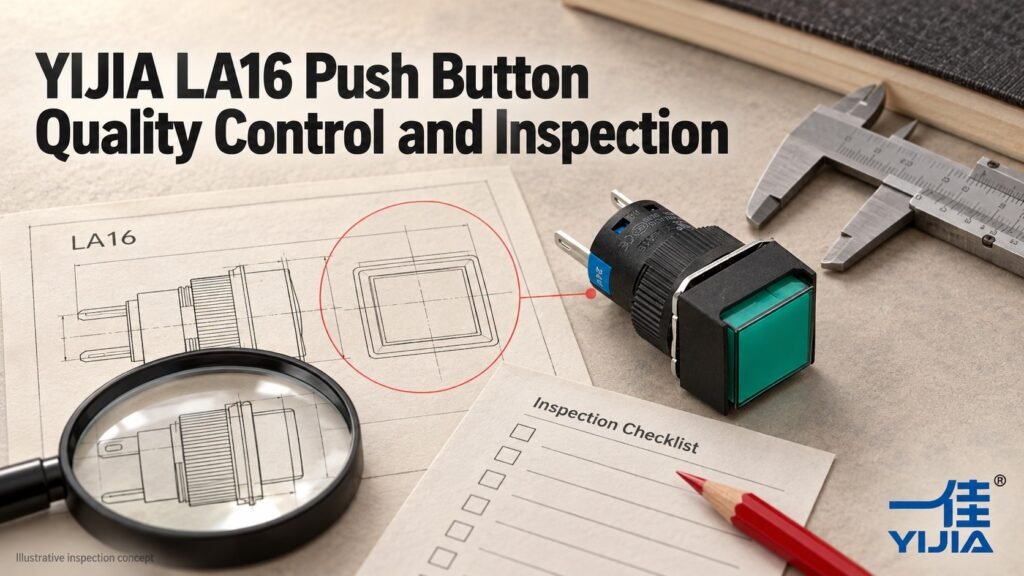
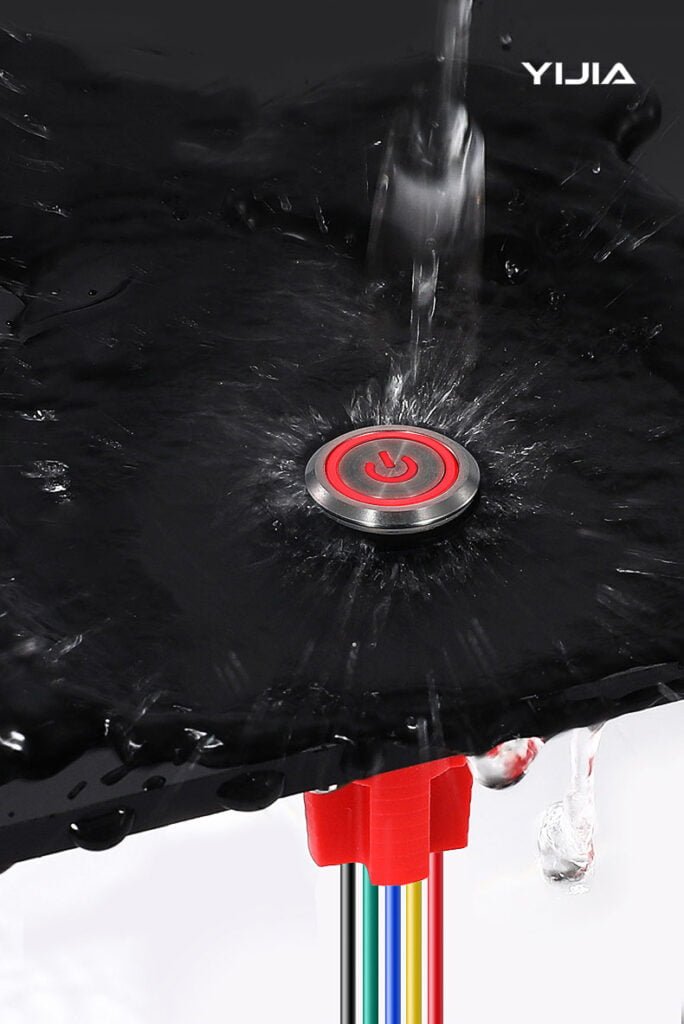
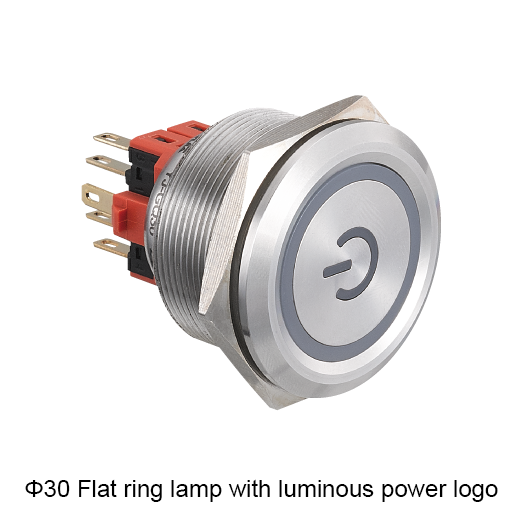
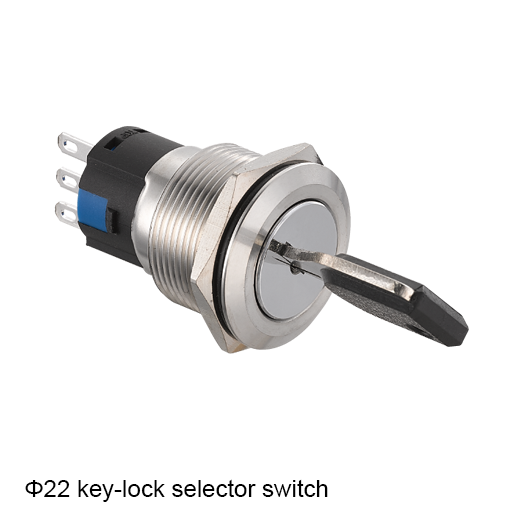
Process illustration. The depicted stages are a conceptual overview for the article.
Define LA16 acceptance criteria before approving samples or bulk orders. Match the inspection scope to the agreed configuration, drawings and application requirements, and request the relevant records. Verify how sampling and test conditions apply to the order instead of assuming a universal inspection rate or service life guarantee.
Agree on LA16 Acceptance Criteria Before Approving the Order
Use the Approved Specification as the Inspection Reference
Define acceptance before the sample or shipment arrives. The reference should identify the complete LA16 configuration, drawing, required action, contacts, lamp specification and agreed appearance. Without that reference, inspection can confirm that a button works while missing that it is the wrong button.
YIJIA’s quality-management background is relevant to supplier evaluation, while order acceptance needs a more specific target. Agree on the checks, records and handling of deviations for the actual purchase so both sides know what evidence is required.
Write acceptance criteria as observable requirements. Instead of saying that the switch must be high quality, identify the correct configuration, required action, specified contact states, relevant dimensions and lamp behavior. State which document or approved sample provides the reference for each check. This gives the buyer and supplier a common basis for deciding whether an item meets the order.
Separate sample qualification from shipment acceptance. A first sample may be used to assess the intended installation in detail, while a production batch is checked under an agreed inspection arrangement. Both should refer to the same approved product configuration. Making the distinction early helps YIJIA understand which evidence is needed before production release and which records the buyer expects when the actual order is supplied.
Quality Control Evidence to Review for LA16 Push Buttons
Check Model Identity and Appearance Against the Approved Sample
Compare the part identity and visible features with the approved reference. Check head shape, color, legend where specified, accessible terminals and mounting parts. Keep different order lines separate during inspection so similar-looking configurations are not mixed.
Use appearance criteria that can be applied consistently. A physical approved sample is useful for an agreed finish or color, while a drawing defines dimensions and features. If the two disagree, resolve the reference before asking an inspector to choose which one governs.
Use a receiving or inspection record that preserves the identity of the order line being checked. Include the supplier reference, buyer reference where used, quantity and relevant label information. Keep similar variants separate until their identity is established. A correct-looking head cannot distinguish all differences in action, contact arrangement or lamp specification.
Define how visual features will be assessed. Text accuracy can be checked against artwork, dimensions against a drawing, and an agreed finish against the approved reference under suitable viewing conditions. Avoid asking an inspector to make an undefined judgment about perfect appearance. If the visual sample and written requirement conflict, resolve the discrepancy before inspection proceeds. Clear references make the result easier to explain and reduce disputes based on different assumptions about what was approved.
Verify Dimensions and Contact Function Against Model Documents
Check the dimensions that affect the intended assembly, using the model drawing and agreed method. For a panel-mounted switch, relevant features include the mounting interface, head envelope and rear connection space. A fit check complements dimensional inspection but does not replace every specified measurement.
Verify contact function against the matching diagram. A momentary switch should follow its defined press-and-release sequence; a maintained version needs its complete operating sequence checked. Record contact results separately from operating feel so an electrical difference is not hidden by a satisfactory mechanical impression.
Choose measurements around the installation’s actual constraints. An opening interface, front envelope or rear projection may be critical because of a tight panel layout. Record the specified value and tolerance from the applicable drawing, together with the agreed inspection method. A part fitting into one test panel is helpful evidence but does not automatically verify every dimension or tolerance required by the design.
For contact checks, identify the exact paths and expected states from the matching diagram. Confirm its viewing direction and account for any common terminal arrangement. Test the relevant operating sequence and return condition using the specified procedure. Record a functional result separately from tactile observations. A smooth-feeling operator and a correct electrical state are both useful, but one should not be used as evidence for the other.
Review Electrical and Illumination Checks with Their Test Conditions
For illuminated versions, verify the specified lamp supply, color and behavior under the agreed conditions. Keep that result separate from contact operation. A lit lamp does not prove that the NO and NC functions are correct, and an operating contact does not prove that the correct lamp was supplied.
Electrical tests should use the applicable procedure, equipment and limits. Do not improvise high-voltage or endurance testing from a catalogue figure. Ask what each available record covers, including model, test conditions and whether it relates to a sample, type evaluation or actual order.
Keep lamp checks tied to the selected supply variant. Record the supply used, expected color and intended behavior. Where a custom legend is involved, inspect its appearance both lit and unlit under the agreed conditions. This distinguishes a functional illumination check from a subjective appearance review and helps identify exactly which requirement has not been met if a difference is observed.
Request technical test records with enough context to interpret them. The complete model, procedure, conditions and result should match the question being answered. A type-test or endurance document can support product evaluation, but it does not necessarily describe inspection of the current shipment. Avoid performing high-voltage or destructive checks without the applicable procedure and qualified equipment. The acceptance plan should identify who performs such work and which evidence is required.
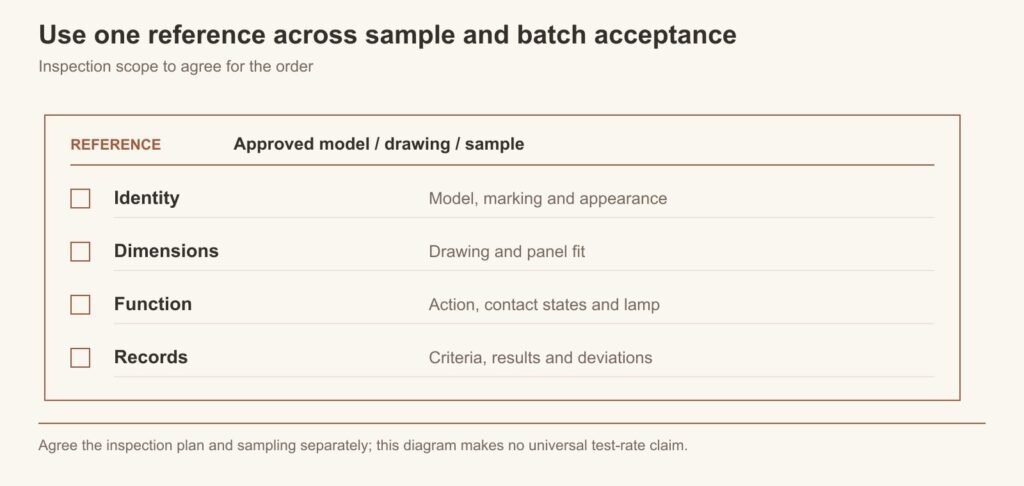
Agree the inspection plan and sampling separately; this diagram makes no universal test-rate claim.
Confirm Batch Sampling and the Available Inspection Records
Agree which checks apply to every unit and which, if any, use a sampling plan. Define the batch, sample selection, acceptance criteria and required records. Do not assume one universal inspection percentage across appearance, function, dimensions and other tests.
Where sampling is used, the plan and treatment of a failed result must be clear before shipment. A statement that products are inspected is not equivalent to an order-specific report. Match the requested evidence to the risk and to the inspection arrangement agreed with YIJIA.
Define the batch and how inspection results will be associated with it. If several configurations are included in one shipment, determine how each is represented in the inspection arrangement. The sampling method, acceptance criteria and response to a failed result should be agreed before goods are released. Do not assume that a general statement about inspection establishes a particular statistical plan.
Distinguish correction from reinspection. If an issue is found and goods are reworked or replaced, identify which items were affected and what checks are repeated. Keep the original observation and subsequent result connected. This creates an understandable acceptance record and prevents a later pass statement from losing the context of the problem. The appropriate scope depends on the order and agreed quality requirements, not on a universal inspection percentage applied to every test.
How Defined Inspection Criteria Help LA16 Buyers
Detect Configuration Differences Before Assembly or Shipment
A structured inspection can catch the differences that cause assembly delays: the wrong action, contact arrangement, lamp supply or mounting version. Those checks are valuable because several versions can share a similar front appearance.
Selection example: a buyer needs an illuminated momentary LA16, but a maintained sample arrives with the correct color. A visual review may accept it; an action check identifies the mismatch immediately. Keep configuration checks near the beginning of acceptance so later tests are performed on the correct version.
In the momentary-versus-maintained example, the first useful step is to confirm identity and operating sequence before performing more detailed checks. If the supplied configuration is wrong, additional electrical measurements may be irrelevant to the intended purchase. Record the mismatch against the order line and approved requirement, then request the appropriate correction or clarification.
Describe nonconformities precisely. A report that says wrong action and identifies the observed set-and-release sequence is more useful than a general statement that the button is defective. Include photographs or observations where they explain the issue, while preserving the affected item’s identity. This gives YIJIA a clear basis for response and helps the buyer distinguish a configuration error from damage, an assembly issue or an application mismatch.
Make Sample Approval and Batch Acceptance Easier to Compare
Retain the sample identity, drawing revision and accepted deviations with the order. This makes repeat purchasing easier to control and gives a clear reference if a later batch differs. The buyer benefit is a consistent acceptance decision rather than a collection of disconnected inspection notes.
Retain the accepted inspection reference with the repeat-order record. A later batch should be compared with the same approved configuration unless a revision has been agreed. If a new artwork, lamp version or contact arrangement is introduced, identify which acceptance checks need updating. This keeps the inspection plan aligned with engineering changes instead of allowing old criteria to continue by habit.
Where a field issue occurs, connect the observation to the component reference, equipment conditions and available order information. Do not convert one symptom into an unsupported conclusion about every item in the batch. A clear record helps the supplier and buyer investigate the actual difference. The practical value of quality control is a consistent decision process that catches meaningful deviations and supports repeat purchasing with evidence that can be understood later.
Frequently Asked Questions
Which Checks Belong in an LA16 Sample Acceptance Checklist?
Include complete identity, appearance, relevant dimensions, operating action, contact states, lamp specification and panel fit. Add any agreed application or documentation requirement. Record the reference and result for each check so approval describes a defined configuration.
Is Every LA16 Unit Tested in the Same Way?
Confirm the actual inspection arrangement for the order. Visual, functional, dimensional and other checks may have different scopes or sampling requirements. Request the agreed inspection plan and relevant records rather than assuming that every test is applied to every unit.
Does an Endurance Test Establish Service Life in My Application?
No. An endurance result belongs to its defined model and test conditions. Real service depends on load, environment, switching frequency and installation. Use the relevant test information in an application assessment; do not turn a laboratory operation count into an unconditional field-life promise.
Request LA16 Inspection Information
Send the Model and Acceptance Criteria with the Required Records
Send YIJIA the full LA16 reference, approved drawing or sample record, intended use and acceptance requirements. Identify which inspection records are needed with the order. Agree on the scope and criteria before sample approval or bulk release so acceptance can be assessed consistently.
Search Metadata
Title: YIJIA LA16 Quality Control and Inspection
Description: Define LA16 inspection criteria for identity, dimensions, contact function and illumination, with sampling and records agreed for the order.
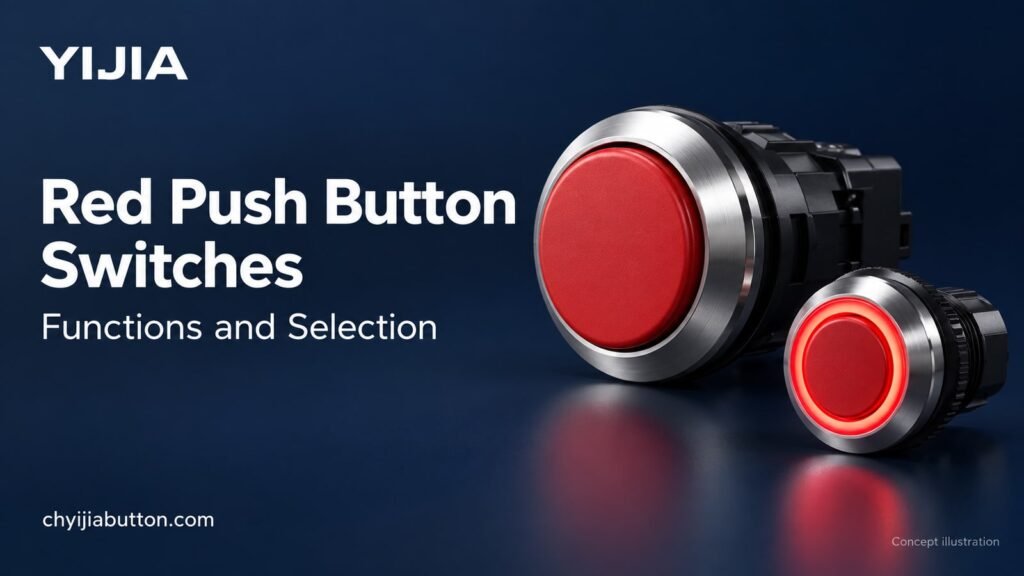
A red push button is easy to notice, but its colour does not tell you what happens inside the switch. It may provide a momentary command, hold a contact in a changed state or combine switching with illumination. Choosing the right device starts with the required control function, not the colour of its head. For […]
Installation dimensions: φ19MMCurrent: 5A/10A/15A/18AOperation: momentary / latching-cabinet latchIP degree: lP40 (waterproof industrial push button switch)The shell material: brass clad Chromium/stainless steel Want to know more about the product: Metal Push Button Switch With the continuous development of industrial automation, higher demands are placed on the operational safety, reliability, and refined management of control systems. Yijia […]
In industrial application scenarios, the absence of button switches will cause a lot of inconvenience. The following are common aspects related to operability, safety, and daily maintenance. Inconvenient operability: Push-button switches are often used in industrial environments to manually control the start, stop, and adjustment of equipment. The presence of this physical switch allows the […]
We use cookies to enhance your browsing experience, serve personalised ads or content, and analyse our traffic. By clicking "Accept All", you consent to our use of cookies.