A waterproof push button switch must be chosen for the water exposure it will actually face. Rain on an outdoor enclosure, occasional splashes and cleaning with pressurised water are different conditions. A product described simply as waterproof may not be suitable for all three, even when its metal housing looks robust.
For equipment builders and maintenance buyers, the useful starting point is the declared protection rating, its scope and the installation instructions. This guide explains how to assess those details alongside the switch function, electrical duty and panel design. It also shows what to confirm when selecting a YIJIA push button for a damp or exposed location.
What waterproof means for a push button
A sealed push button uses features such as gaskets and protected actuator interfaces to limit ingress under specified conditions. These features support the stated protection level; they do not create an unlimited barrier against every liquid, temperature or cleaning method. The manufacturer’s rating and test conditions define the relevant claim.
The switching function remains separate. Pressing the actuator changes the state of its contacts, allowing the connected circuit to interpret a command or control a suitable load. Sealing does not determine whether the contacts are normally open or normally closed, nor whether the mechanism is momentary or maintained.
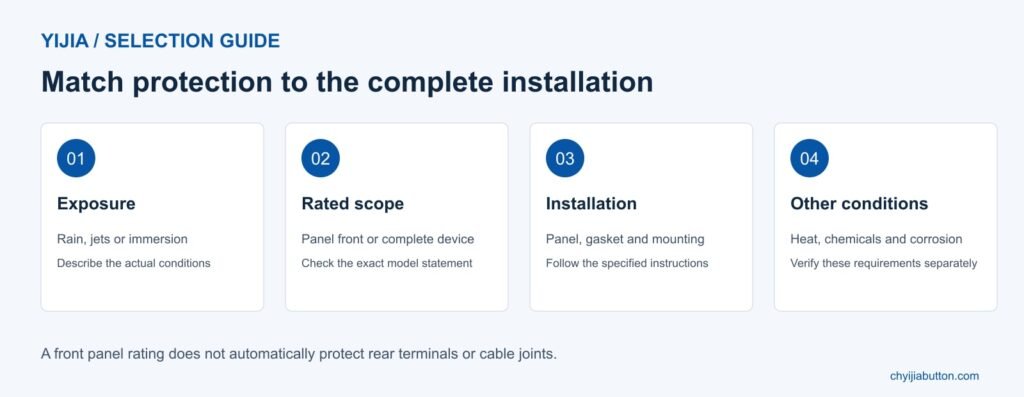
Ask which part of the installed device is protected. Some ratings apply to the front of a switch correctly mounted in a panel. Rear terminals, connectors and cable joints may require protection from the enclosure or additional components. A sealed front cannot compensate for water entering elsewhere in the cabinet.
Understanding IP ratings without overreading them
The IP code describes protection against access, solid objects and water under defined tests. In familiar two digit codes, the first numeral addresses solids and the second addresses water. Read both, and check the manufacturer’s description rather than translating the entire code into a broad claim of weatherproof performance.
IP65 combines dust tight protection with protection against water jets under the relevant test conditions. IP67 combines dust tight protection with protection during temporary immersion under specified conditions. Neither designation alone establishes suitability for every cleaning procedure, and an immersion rating should not automatically be treated as a water jet rating.
IP68 requires attention to the stated immersion conditions agreed for the product. Do not assume an unlimited depth or duration, and do not reduce the designation to a generic promise of deeper underwater operation. Request the actual conditions if immersion is part of the application.
Match the exposure to documented performance. If the equipment faces both jets and immersion, obtain evidence covering both. For hot water, steam or aggressive cleaning, ask about those conditions explicitly rather than selecting a numerically higher code and assuming it covers them.
YIJIA selection checklist • Check the exact model specification
Describe the environment before choosing a model
Begin with how water reaches the panel. Is the exposure rain, splashing from a nearby process, a directed cleaning jet or accidental flooding? Record the likely duration and frequency. Also consider whether an operator will press the button while the surface is wet and whether the intended product documentation covers that use.
Water is only one part of the environment. Cleaning agents, oil, salt deposits and ultraviolet exposure can affect materials differently. Outdoor temperatures may change seal behaviour, while condensation can develop inside an enclosure even when its front resists rain. These conditions need separate review; an IP code is not a complete environmental qualification.
Marine, vehicle and food processing equipment may impose additional requirements. Do not infer suitability for those applications from stainless steel construction or a general industrial description. Provide the actual exposure and applicable equipment requirements when asking the supplier to recommend a configuration.
Installation determines whether the seal can work
Use the specified panel opening and permitted thickness. The gasket needs the intended seating surface, and the mounting parts need to clamp the assembly as designed. An oversized opening, damaged panel edge or uneven surface can undermine protection even when the switch itself is correctly specified.
Follow the model’s mounting instructions, including any stated tightening requirement. More force is not automatically better: excessive tightening can damage parts or distort a seal. Confirm the use and orientation of washers, gaskets and protective accessories instead of assembling from memory after changing to a different series.
Check the enclosure around the switch as carefully as the actuator. Cable entries, unused openings and rear connections are possible ingress paths. Provide appropriate support for wiring so cable movement does not strain terminals or disturb the installed assembly. Where servicing requires removal, inspect sealing parts before refitting and replace them as directed.
Choosing materials and operating action
Stainless steel, plated metal and engineering plastics can each suit particular installations. Select the actual material or finish against the expected chemicals, corrosion exposure and handling conditions. A stainless steel bezel does not prove that the internal assembly, seal or connector is compatible with the same environment.
Choose momentary operation when the circuit needs a temporary input that returns after release. Choose maintained operation when a persistent contact state is required until the specified release action. These mechanisms can share a similar appearance, so confirm the operating code rather than judging the product image.
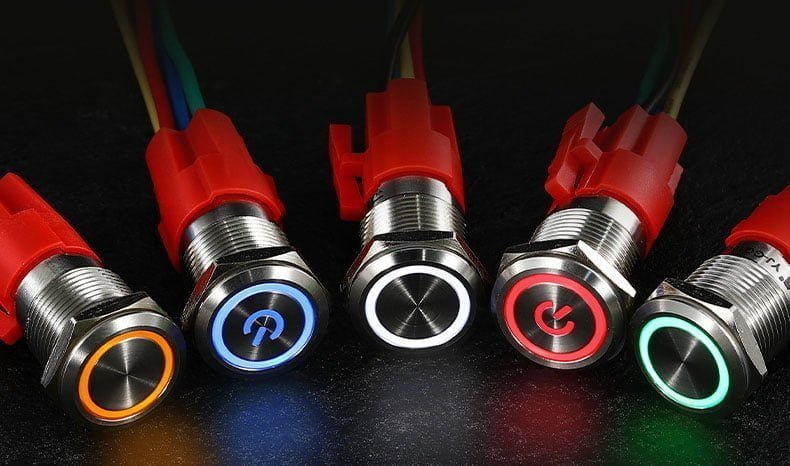
Illumination is another independent option. Decide what the light should indicate and verify the lamp supply. A visible ring can help locate a control, but it does not confirm that the equipment has completed a command or reached a safe state. The indication must be supported by the circuit design.
Check the electrical specification as well
Protection against water does not establish switching capacity. Record the load voltage, current and whether the circuit is AC or DC. Check the rating for the relevant load type, including any inductive duty. A controller input may also need confirmation of reliable contact operation at its low signal level.
Confirm the contact arrangement and terminal identification. Lamp terminals and switching contacts can have different electrical requirements. Use the exact model drawing and installation instructions rather than a generic online wiring diagram. Wire colours or a matching terminal count are not reliable substitutes for documented connection information.
For safety related functions, obtain the required device and system documentation separately. A waterproof red button is not automatically an emergency stop. Ingress protection addresses one aspect of the installation; it does not establish the complete machine safety function.
Maintenance and replacement checks
Include the actuator and its surroundings in routine inspections. Look for cracked seals, loose mounting parts, damaged legends and signs of moisture inside the enclosure. Arrange electrical inspection with the equipment isolated under the site’s procedures. Do not remove a seal or open the switch body as a cleaning shortcut unless the manufacturer specifically permits that work.
If water has entered, investigate its route before replacing the button. A leaking cable entry or damaged enclosure joint can expose a replacement to the same problem. Record the findings and correct the installation defect as part of the repair. Simply choosing a switch with a different rating may leave the original ingress path untouched.
After replacement, confirm the approved configuration, sealing parts and mounting conditions. Check the control response and any illumination through the equipment’s commissioning procedure. Keep cleaning instructions available to the people who maintain the machine, including limits on chemicals and spray methods. Protection depends on how the equipment is assembled and used, not just the component ordered.
YIJIA LA16 series example • Protection depends on the selected configuration
Selecting a waterproof push button from YIJIA
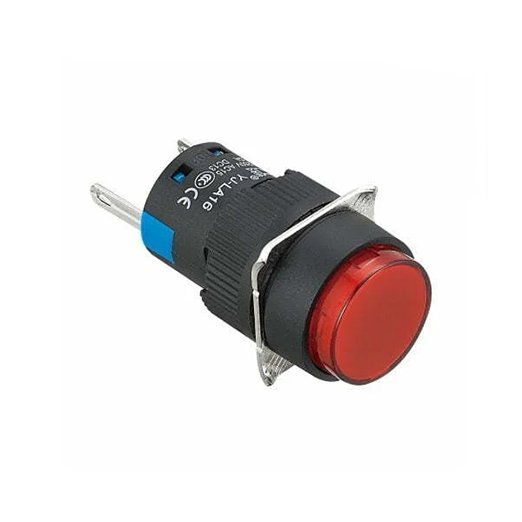
Start with the YIJIA series that meets the panel and control requirements, then confirm its protection configuration. The YJ-GQ16 short type page lists IP65, while the YJ-LA16 series lists different protection options with selection details determining the specific rating. Do not transfer one model’s rating to every button in the range.
Send YIJIA the panel drawing, operating action, contact arrangement, electrical duty and lamp supply requirements. Describe water exposure, cleaning methods and the location of rear connections. Ask for the exact ordering code, applicable protection statement and any necessary accessories before approving a sample.
Evaluate the proposed assembly in the intended equipment. Confirm fit, operator access and the agreed environmental requirements through an appropriate validation process. Keep the approved configuration and installation details with the purchasing record for future reference. A later change to a cover, gasket, connector or panel design should trigger a review of the original protection assumptions.
FAQ
Is IP67 always better than IP65
Only if the specified product and installed assembly are suitable for that cleaning method. Check pressure, temperature, distance and cleaning chemicals against the manufacturer’s instructions. A general waterproof description is not sufficient approval.
The ratings address different water tests. Temporary immersion performance does not automatically demonstrate resistance to water jets. Choose documented protection for the actual exposure, and request evidence for both conditions when the application requires both.
Can I pressure wash a waterproof push button
Does the IP rating cover the rear terminals
Not necessarily. Confirm whether the stated rating covers the panel front or another defined part of the assembly. Exposed rear connections may need a suitable enclosure, connector or other specified protection.
Are stainless steel buttons suitable for seawater
Material grade, finish, seals and exposure conditions all matter. An IP rating does not establish saltwater corrosion resistance. Provide the marine environment details and request confirmation for the complete assembly before selecting a product.
What should I provide when requesting a quotation
Include the mounting drawing, function, contacts, electrical load, lamp requirements, quantity and environment. Describe the water exposure and cleaning process clearly. Request confirmation of the complete model and accessories needed to achieve the stated protection.
Description: Choose waterproof push button switches by checking IP ratings, sealing, panel fit and electrical duty. Learn what to confirm for your YIJIA configuration.
19mm push button switches are usually used in various electronic equipment and mechanical equipment to control the opening and closing of circuits. The 19mm size refers to the diameter of the button itself, not the size of the entire switchgear. Such push button switches may have different designs and functions, such as momentary contact (closes […]
Installation dimensions: φ16MMCurrent: 5A/10A/15A/18AOperation: momentary / latching-cabinet latchIP degree: lP65 (waterproof industrial push button switch)The shell material: brass clad Chromium/stainless steel Want to know more about the product: Metal Push Button Switch Metal button switch LED indicator light power on effect diagram. LED lights are available in red, green, blue, yellow, and white for selection. […]
Installation dimensions: φ16MM 、φ19MM、 φ22MMCurrent: 5A/10A/15A/18AOperation: momentary / latching-cabinet latchIP degree: lP65 (waterproof industrial push button switch)The shell material: brass clad Chromium/stainless steel Want to know more about the product: Metal Push Button Switch Metal button switch LED indicator light power on effect diagram. LED lights are available in red, green, blue, yellow, and white […]
We use cookies to enhance your browsing experience, serve personalised ads or content, and analyse our traffic. By clicking "Accept All", you consent to our use of cookies.