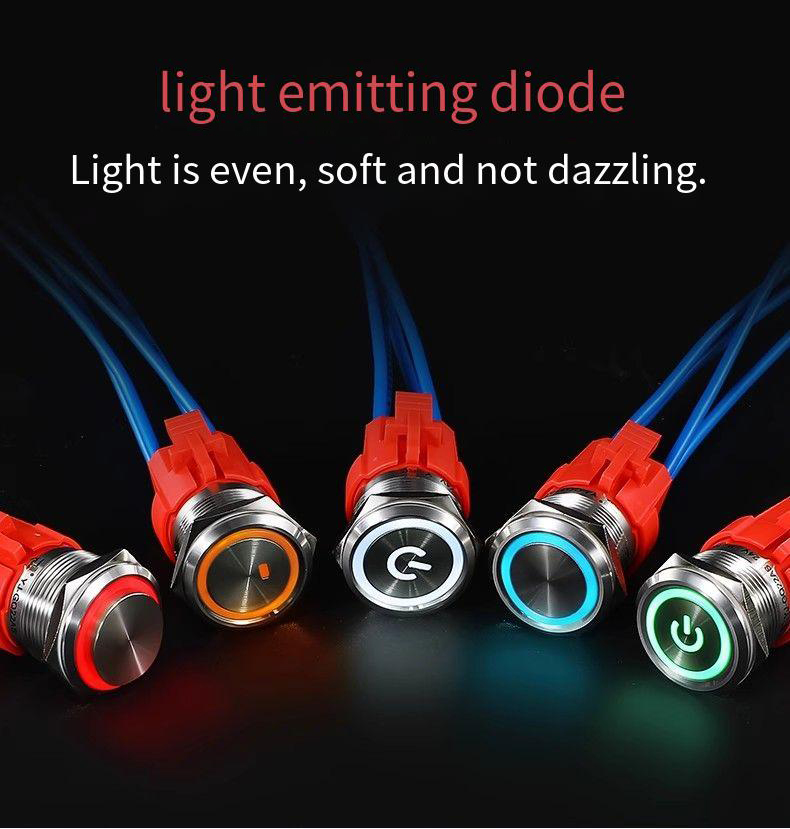
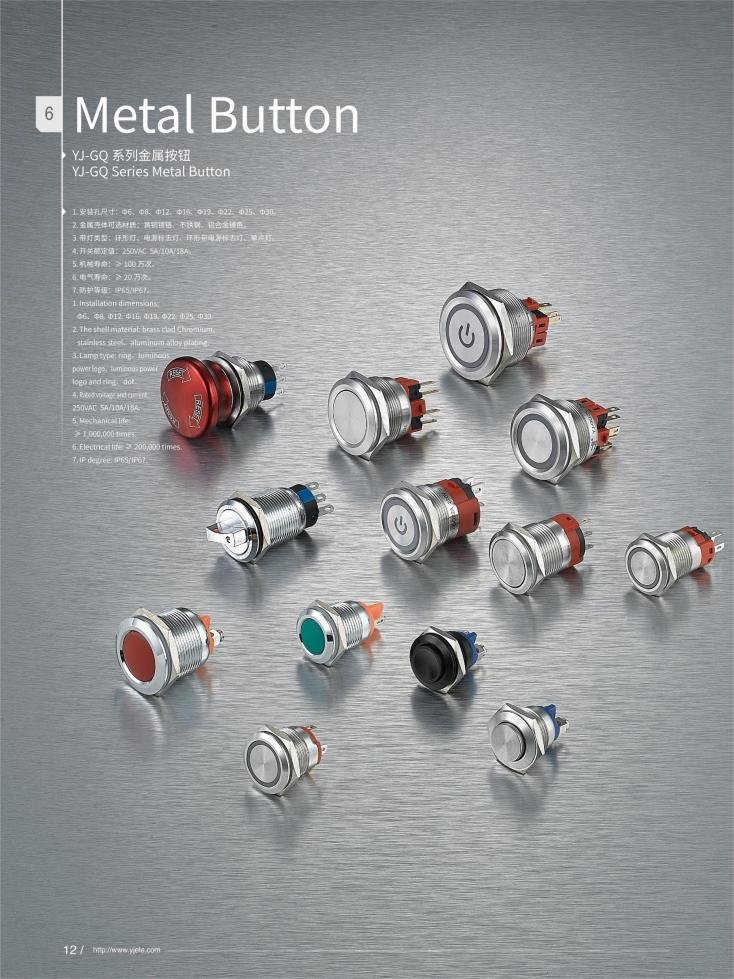
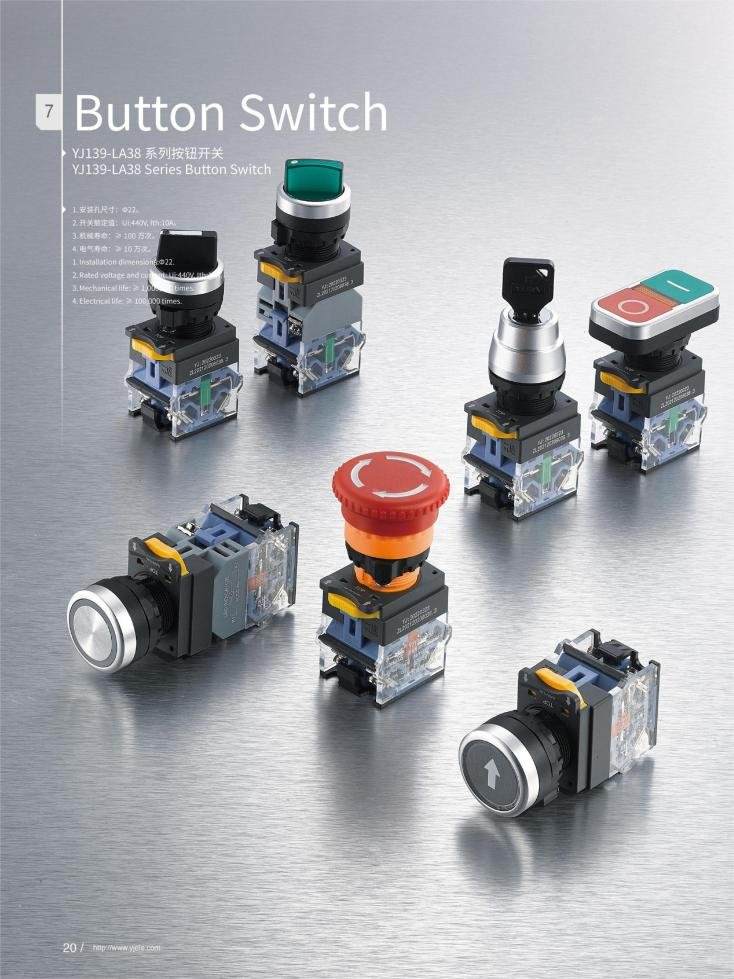
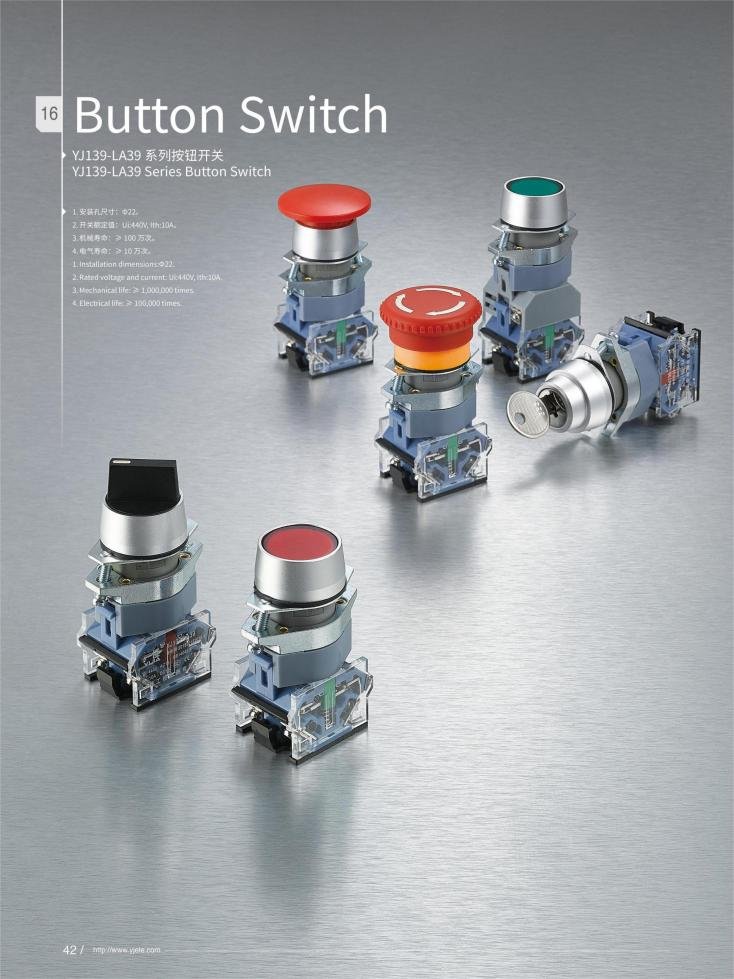
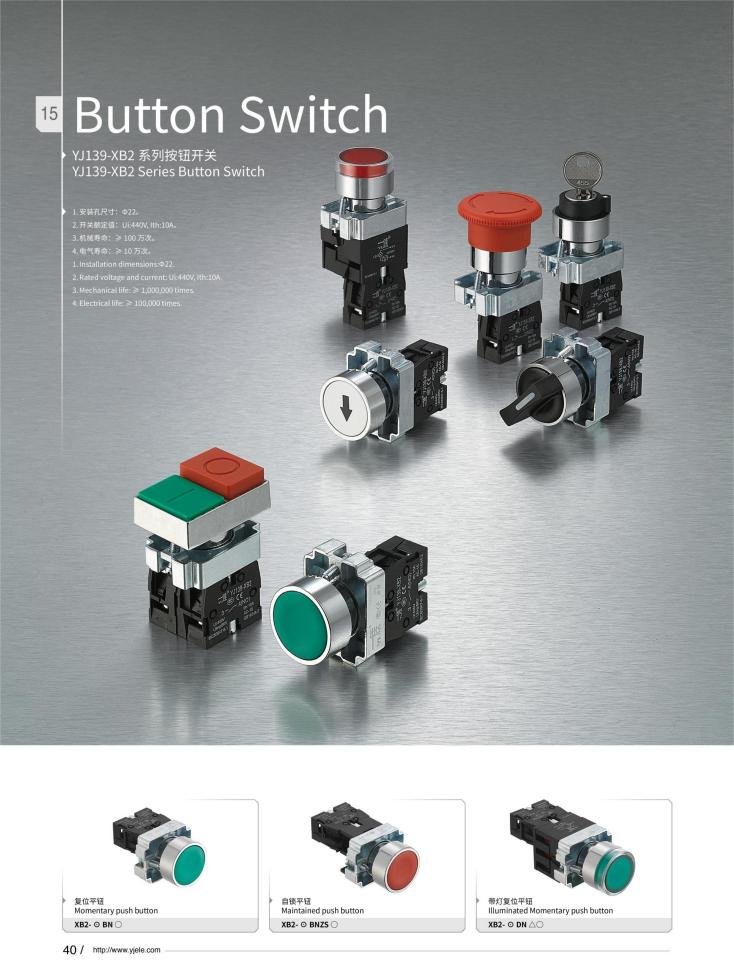
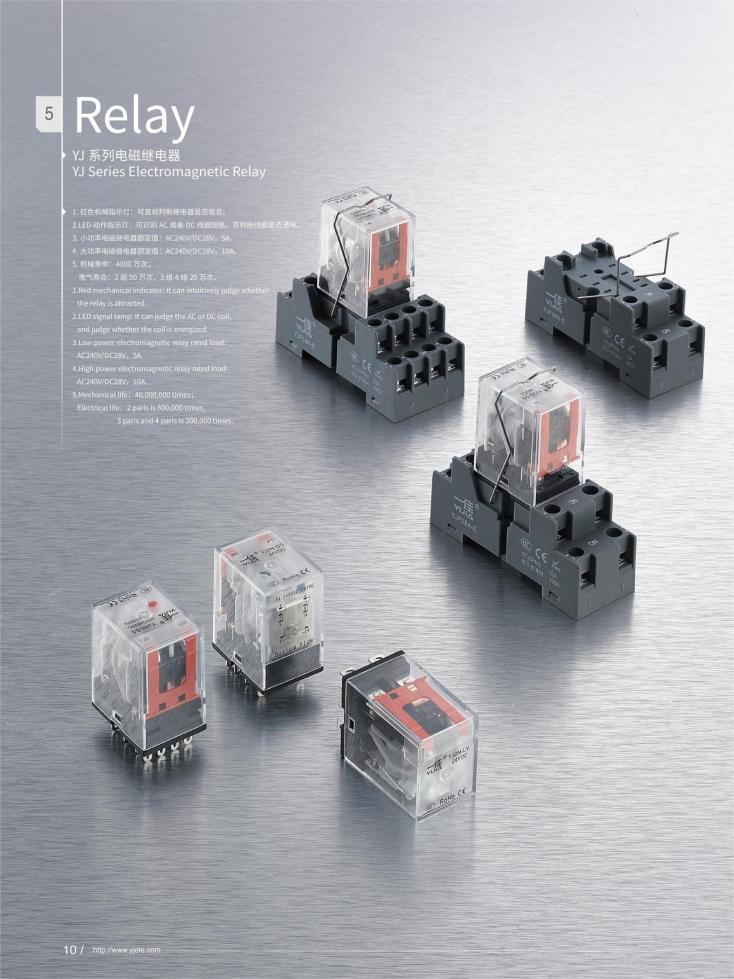
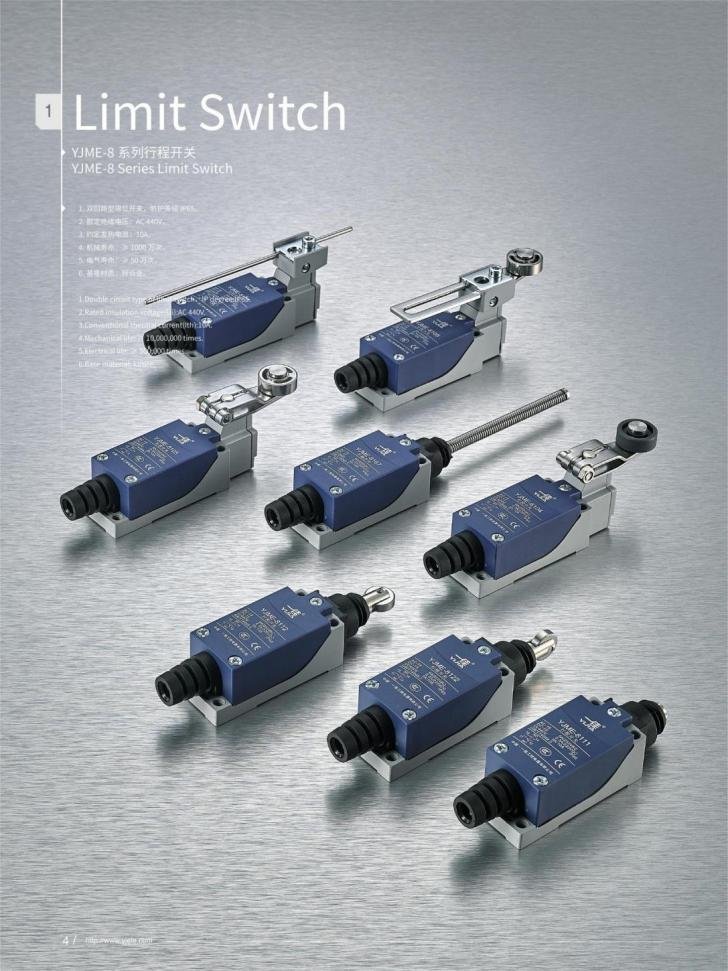
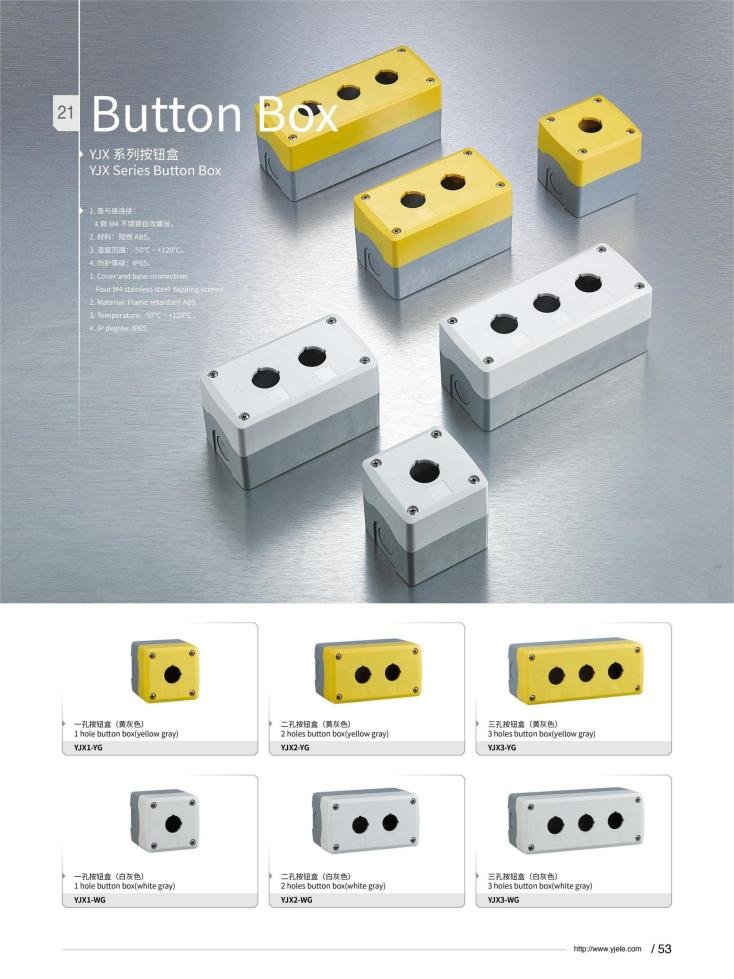
Momentary push button switches are everywhere. They are simple, reliable, and incredibly versatile. Whether you’re designing consumer electronics, industrial control panels, or hobby projects, these tiny devices can make a big impact. In this article, we’ll explore what momentary push button switches are, how they work, common applications, and key considerations for selecting the right one. We’ll also couple practical tips with long-tail keyword ideas that can help you optimize your content for search engines while keeping the reader engaged.
What is a Momentary Push Button Switches?
A YJ-GQ22B momentary push button switch is a type of switch that changes state only while a user is pressing it. When the finger leaves the button, the switch returns to its original state. This behavior is sometimes described as “momentary on” or “momentary off,” depending on the wiring and the circuit design. The simplicity of this component makes it ideal for tasks such as resetting a device, triggering a brief action, or providing user input in a control system.
In everyday terms, imagine a doorbell button. When you press it, the bell rings briefly; when you release, nothing happens. That’s the essence of a momentary push button switch. Some models are momentary normally open (NO), others are momentary normally closed (NC). The NO variant closes the circuit only while pressed, while the NC variant opens the circuit only while pressed. Both types have their precise applications, so understanding your electrical schematic is essential before selecting a model.
| Criterion | Key Considerations | Why it matters |
|---|---|---|
| Actuation force | Measured in newtons or grams | Determines user touch comfort and suitability for specific applications |
| Operating voltage/current | Maximum voltage and current rating | Prevents overheating and arcing in the circuit |
| Mechanical life | Number of cycles | Indicates durability in high-usage environments |
| Size and mounting | Button diameter, panel cutout | Impacts fit and aesthetics in the enclosure |
| IP rating | Water and dust protection | Essential for outdoor or harsh environments |
| LED or illumination | Backlit or edge-lit options | Improves visibility in dark or industrial settings |
| Tactile feedback | Click feel and travel | Affects user experience and accuracy of input |

Why choose a momentary design?
The beauty of a momentary push button switch lies in its simplicity. It provides a clear, instantaneous signal with minimal mechanical complexity. This makes it ideal for debouncing compact input devices, initiating short-lived actions, or acting as a reset trigger in a larger control system. If your project requires a deliberate action with a defined start and end, or you want to minimize the risk of accidental activation, a momentary switch is often the right choice.
What are common applications?
- User interfaces for appliances and electronics
- Start/stop controls in machinery
- Reset buttons on power supplies and protection devices
- Test and programming interfaces for development boards
- Emergency stop candidates in low-risk environments (with proper design and labeling)
- Hobby projects like DIY arcade controls and model railroad throttles
| Application | Typical scenario | Design considerations |
|---|---|---|
| Consumer electronics | Power on/off, momentary action for features | Low profile, tactile feedback, long life |
| Industrial control panels | Start/reset signals | Higher current handling, robust cabling, IP protection |
| Automotive and motorcycles | Engine start or horn activation | Vibration resistance, weather sealing, rugged mounting |
| Medical devices | Patient monitoring prompts | Cleanability, biocompatible materials, strict labeling |
| Prototyping and hobby projects | Function tests and momentary commands | Cheap options, availability, easy soldering |
Selecting the right Momentary Push Button Switches
Choosing the right switch involves balancing several factors. First, consider the electrical requirements. What voltage and current will the switch carry? If you’re building a high-current controller, you’ll need a switch rated for those demands. Second, evaluate the mechanical life. In a busy panel, you’ll want a switch that withstands thousands or millions of presses. Third, assess environmental conditions. Will the switch be exposed to dust, moisture, or temperature extremes? An IP rating or a rugged housing might be necessary. Finally, think about form factor and aesthetics. The switch should fit the panel cutout and match the overall design language of the device.
| Feature | Benefit | Example consideration |
|---|---|---|
| LED indicator | Visual feedback for user action | Choose color, brightness, and power draw |
| Debounce mechanism | Eliminates false triggers | Mechanical vs electronic debounce methods |
| Waterproof sealing | Protects against moisture ingress | IP rating, gasket material, and seal design |
| Mounting style | Panel mount, PCB mount, or hot-swappable | Compatibility with enclosure and assembly process |
| Material and finish | Durability and aesthetics | Brass, stainless steel, or plastic; plating options |
How to integrate momentary push button switches into a design
- Start with a clear action map. What should happen when the button is pressed? Is it a one-shot command or a sequence trigger?
- Draft a simple debounce strategy. Mechanical debounce can be enough for basic use, while software debouncing may be needed for microcontrollers or precision systems.
- Verify the enclosure and panel fit. A tight panel cutout without proper mounting hardware can cause wobble and misalignment.
- Plan for environmental protection. If your device will be used outdoors or in industrial settings, prioritize IP ratings and rugged build.
Testing and reliability
Reliable performance starts with thorough testing. Test for electrical integrity by applying the rated voltage and current, and verify that there are no sticking or intermittent signals. Mechanical testing should simulate real-world use, including repeated cycles and exposure to typical environmental conditions like vibration and temperature changes. If you’re designing a control panel for a machine that runs continuously, consider high-cycle switches designed for long life and consistent tactile feedback.
Diversified design considerations for different markets
- Industrial: Prioritize rugged construction, IP ratings, and high cycle life. The switch should deliver reliable performance in harsh environments and under continuous use.
- Consumer electronics: Focus on compact size, low power consumption, and attractive tactile feedback. A visually appealing LED option can enhance user experience.
- Automotive: Emphasize vibration resistance, weather sealing, and clean electrical isolation. Compliance with automotive standards may be necessary.
- Medical: Ensure cleanability, biocompatibility where applicable, and robust labeling for safety and compliance.
Choosing momentary push button switches suppliers and sourcing guidance
When sourcing momentary push button switches, consider lead times, minimum order quantities, and warranty terms. Look for suppliers who provide datasheets, mechanical drawings, and test reports. Compatibility with common PCB footprints or panel mount standards can reduce integration risk.
Would you like a quick checklist to validate your choice of momentary push button switches for a specific project? For example, you can start by listing the required electrical ratings, environmental conditions, and preferred form factor. If you’re unsure about LED options, I can suggest color codes and brightness levels for common panel designs. If you’re ready to move forward, you can request samples or a quotation to compare options side by side.
Metal push button switches combine simplicity with versatility. They offer precise control with minimal mechanical complexity, making them a staple in many electronic and electrical systems. By understanding the core differences between NO and NC variants, considering environmental constraints, and aligning the switch with your design’s tactile and visual goals, you can achieve reliable performance and a satisfying user experience. If you’d like, I can tailor a set of recommended models and a sourcing plan based on your exact voltage, current, and duty cycle requirements. Ready to explore options or request a quote? Send an inquiry today to get expert guidance and sample availability.
FAQ
It is a switch that only changes state while pressed and returns to its original state when released.
NO closes when pressed, NC opens when pressed. Both have distinct use cases depending on circuit design.
Consider voltage and current ratings, environmental protection, panel cutout size, and mounting style.
Yes, but choose high-cycle life models and confirm mechanical durability ratings.
Yes, many models offer built-in LEDs for visual feedback, with various color and brightness options.