When it comes to controlling air conditioning systems efficiently, relay switches for AC units play a vital role in both residential and industrial HVAC applications. Whether you’re an HVAC engineer, a supplier looking to expand your catalog, or a wholesaler searching for reliable relay switch manufacturers, understanding the product’s function, specifications, and market trend is the first step to making smarter purchasing decisions.
In today’s blog, we’ll unpack the key features, working principles, and selection tips for relay switches, explore their connection with metal push button switches, and provide insights into pricing, customization, and sourcing strategies from trusted suppliers and manufacturers.
Understanding the Role of Relay Switches in AC Units
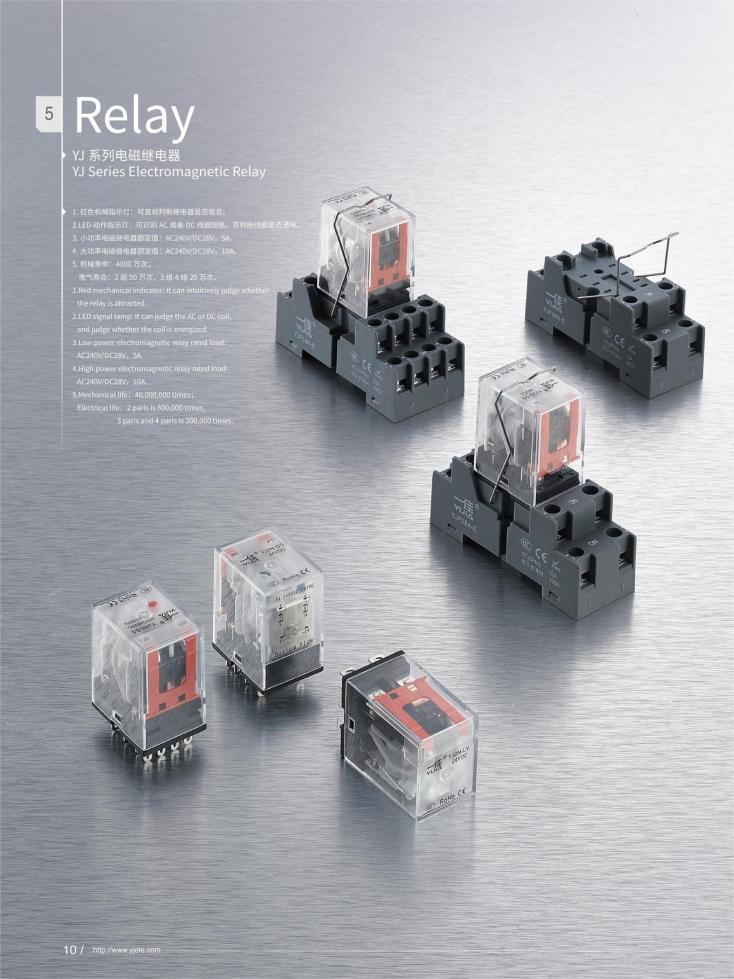
A relay switch for AC units acts as an electrically operated control component that allows low-voltage circuits to manage high-voltage loads, such as compressors, fans, and blowers. It’s the silent operator behind your air conditioning system’s reliability and energy efficiency.
When a small control signal activates the relay coil, it creates a magnetic field that opens or closes the contact points, thus controlling the flow of electrical current. This ensures safe and consistent operation without manual intervention—a must-have in modern automation and industrial applications.
| Key Function | Description |
|---|---|
| Electrical Isolation | Separates control circuits from high-voltage components. |
| Load Management | Handles heavy current draw from AC compressors and motors. |
| Safety Feature | Prevents overheating and equipment damage. |
| Automation Control | Enables efficient on/off switching in HVAC systems. |
A faulty relay switch can cause system failure, compressor damage, or irregular cooling cycles, making relay selection and quality assurance critical steps for HVAC engineers and procurement teams alike.

Types of Relay Switches Used for AC Units
Not all relays are created equal. When choosing one for your AC unit, the specific configuration depends on your system’s power needs, control method, and environmental conditions.
- Electromechanical Relays (EMRs) – Traditional but reliable, commonly used in residential AC systems.
- Solid-State Relays (SSRs) – Offer faster response and longer lifespan, ideal for commercial or industrial HVAC applications.
- Thermal Overload Relays – Protect motors by automatically disconnecting circuits during overload.
- Time Delay Relays – Useful when staged cooling or sequential compressor activation is needed to prevent power surges.
| Relay Type | Typical Application | Lifespan | Price Range (Estimated) |
|---|---|---|---|
| EMR | Residential AC | 100k cycles | $3–$8 per unit |
| SSR | Industrial HVAC | 1M+ cycles | $10–$25 per unit |
| Thermal | Commercial motors | 200k cycles | $8–$15 per unit |
| Time Delay | Multi-stage units | 150k cycles | $12–$20 per unit |
For suppliers and wholesalers, stocking multiple types ensures you meet diverse market demands across residential, commercial, and OEM clients.
How Metal Push Button Switches Complement Relay Switch Systems
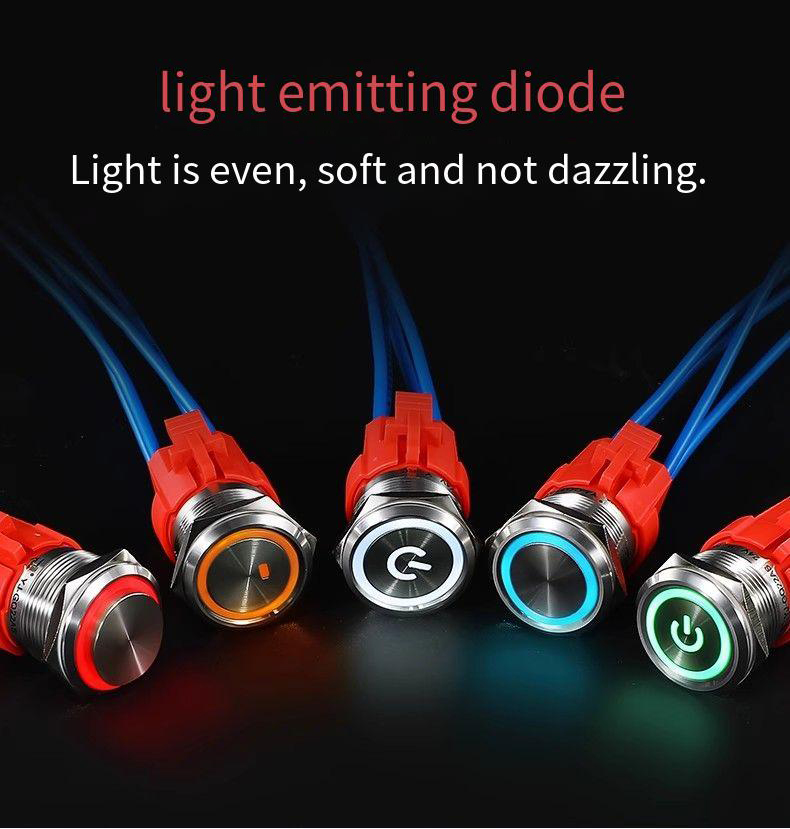
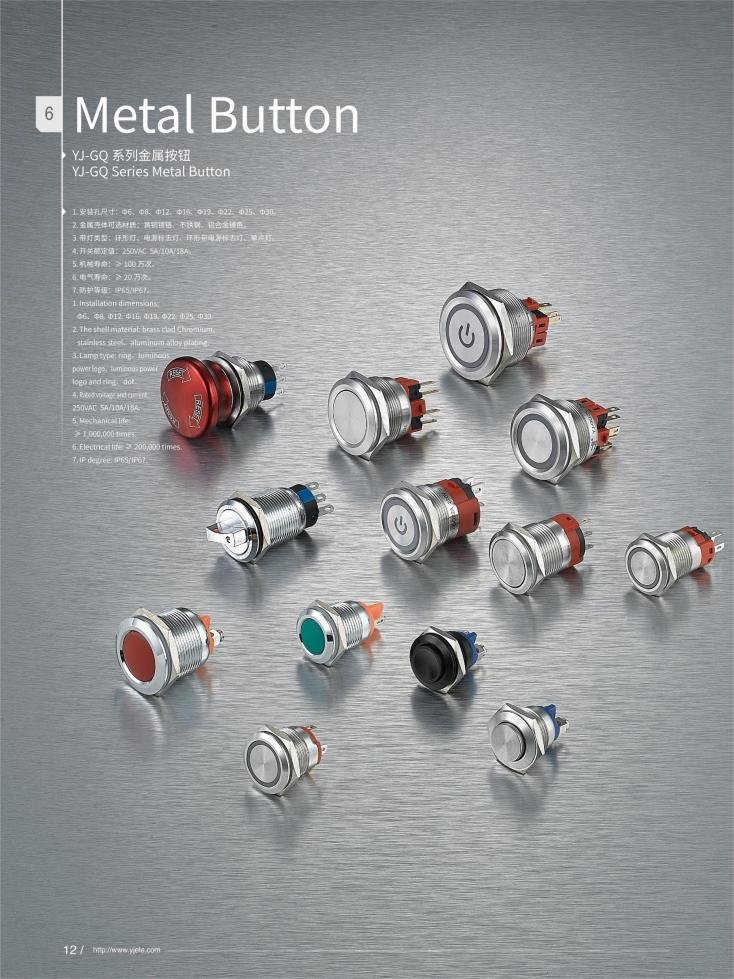
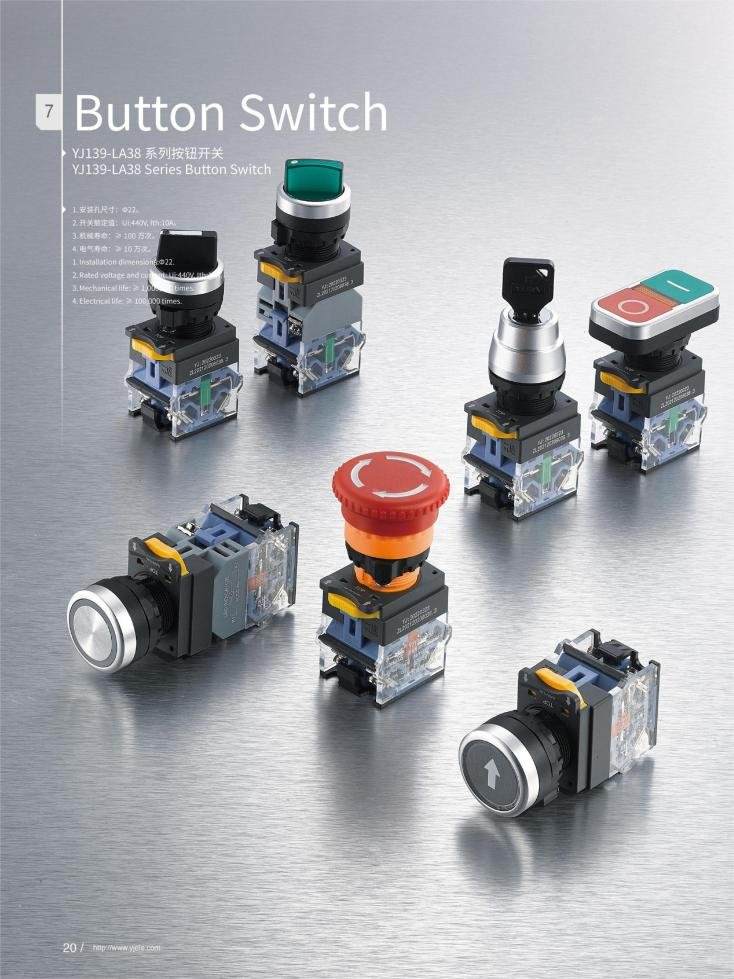
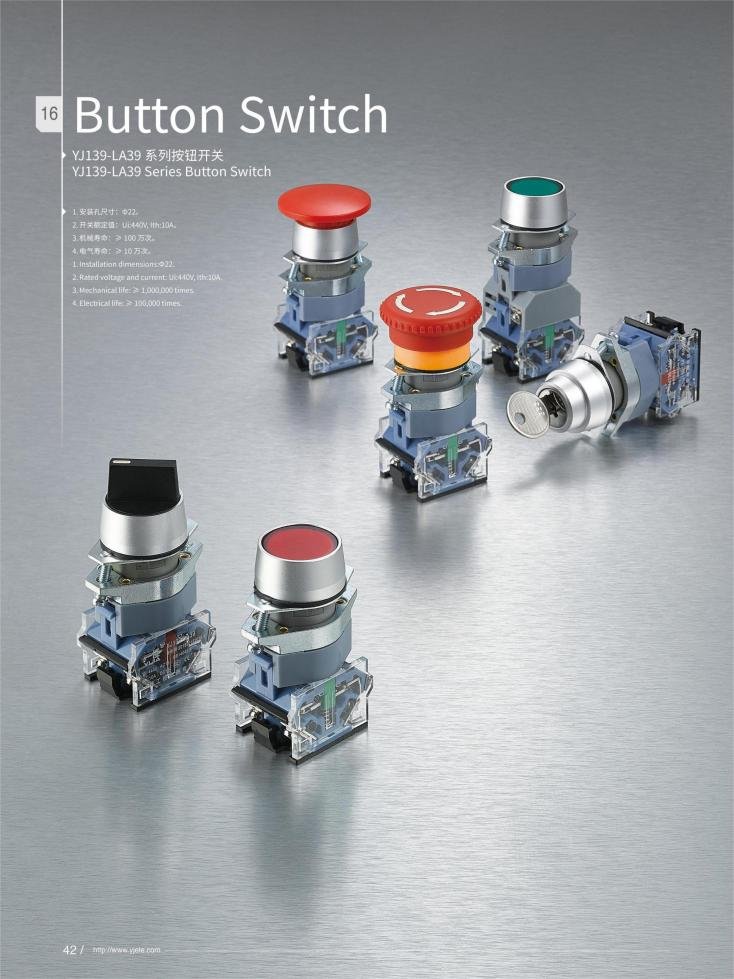
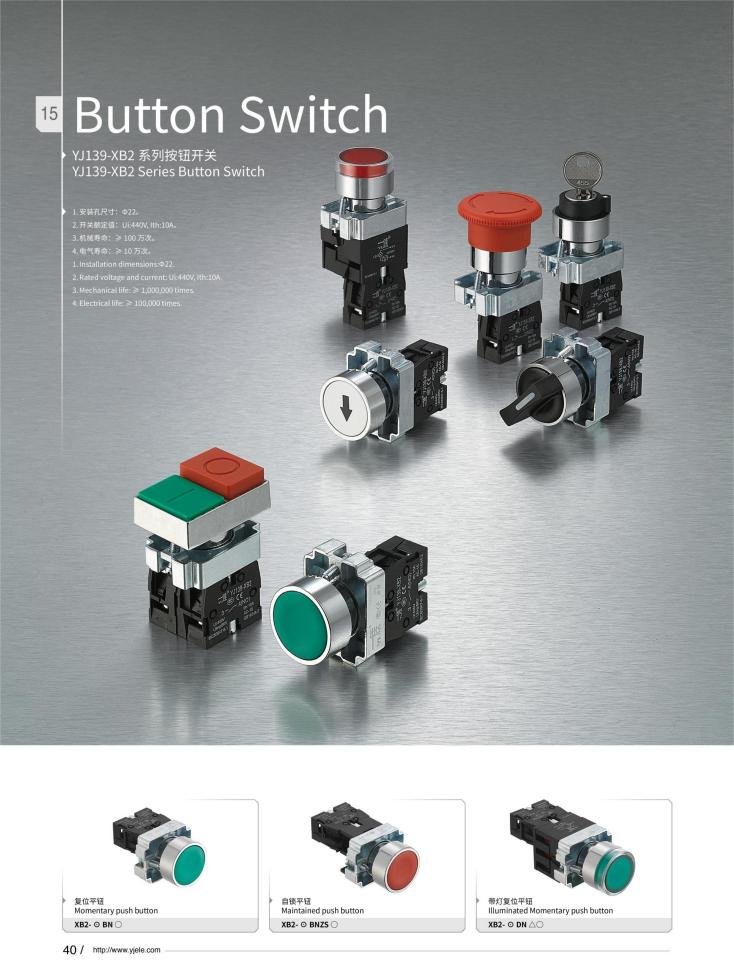
In complex AC installations, metal push button switches serve as the human-machine interface that triggers the relay’s control input. For example, maintenance engineers may use a stainless-steel push button switch to manually test fan operation or trigger a relay-controlled process during diagnostics.
Their durability and corrosion resistance make metal push button switches a preferred choice in industrial control panels and HVAC service boxes. When paired with a relay switch, they provide tactile feedback and operational precision.
| Parameter | Metal Push Button | Typical Use in HVAC |
|---|---|---|
| Material | Stainless Steel / Aluminum Alloy | Indoor & Outdoor Control Panels |
| Function | Start/Stop/Reset Control | Manual System Override |
| Mounting Size | 16mm – 25mm | Compact Design Integration |
| Waterproof Rating | IP65–IP68 | Confident Outdoor Operation |
Many relay switch manufacturers now offer integrated solutions that feature both relay modules and compatible metal push button switches, customized for air conditioning system control cabinets or automation panels.
Selecting the Right Relay Switch: What Engineers and Buyers Should Consider
Choosing the ideal relay switch for AC unit involves balancing performance, voltage rating, control reliability, and cost-effectiveness. While this might sound complex, breaking it down into practical steps simplifies your selection process.
Key factors to evaluate:
- Voltage & Current Rating: Match the relay’s load capacity to your compressor or fan specifications.
- Coil Voltage: Common ratings include 12V, 24V, and 220V AC/DC coils.
- Contact Form: SPDT or DPDT depending on desired switching logic.
- Ambient Temperature Tolerance: Important for outdoor HVAC setups.
- Manufacturer Reputation: Choose reliable sources that guarantee product durability and global certifications (e.g., CE, UL, RoHS).
For B2B buyers, consistent supply and technical support often matter as much as price. That’s why partnering directly with trusted relay switch manufacturers or wholesalers can help reduce lead times, assure quality, and simplify bulk ordering.
If you’re sourcing in volume, many suppliers provide OEM/ODM customization, allowing you to specify coil voltage, terminal type, or even branding on the casing. Sending an inquiry with your technical drawings or performance needs is a great way to start.
Common Applications of Relay Switches and Metal Push Buttons in HVAC
Both relay switches and push buttons find wide-ranging applications beyond standard air conditioning systems.
- Commercial HVAC systems – controlling multiple fan motors and compressors.
- Industrial equipment – managing temperature and cooling zones.
- Smart building automation – integrating with IoT-based climate systems.
- Automotive air conditioning – compact relays for vehicle HVAC.
- Refrigeration units – ensuring stable temperature regulation.
As the demand for energy-saving air conditioning grows, the use of low-power relays and durable metal control switches has become a top trend among procurement specialists and system designers globally.
Relay Switch Suppliers, Wholesalers, and Manufacturers
With the expanding global HVAC market, finding a dependable relay switch manufacturer is crucial for your project’s success. Here are a few value points when evaluating suppliers:
| Evaluation Criteria | Why It Matters |
|---|---|
| Production Capacity | Ensures timely delivery for large orders. |
| OEM/ODM Flexibility | Supports product customization for specific projects. |
| Certifications & Testing | Indicates compliance with industry standards. |
| Technical Assistance | Supports engineers during installation and troubleshooting. |
| After-Sales Service | Ensures long-term reliability. |
Wholesalers and distributors benefit from collaborating directly with factories, as factory-direct pricing can significantly improve margins. Many Chinese and Southeast Asian suppliers also offer bulk discounts, private labeling, and customized packaging for international clients.
If you’re evaluating pricing structures, consider requesting a sample order first to test mechanical and thermal performance. A small upfront investment can prevent later equipment failure in the field.
Market Trends and Future Outlook
The relay switch market for AC units is evolving quickly, driven by smart home systems, sustainable HVAC solutions, and industrial automation. Engineers now prefer solid-state and low-noise relays, while manufacturers are developing compact, energy-efficient relays for inverter-based systems.
The synergy between relay switches and metal push button switches will continue to strengthen, especially in advanced control applications like digital HVAC controllers and IoT-enabled devices.
Expect more emphasis on:
- High-temperature resistance for outdoor AC systems.
- Integration with PLC and smart relays.
- Enhanced IP-rated metal push buttons for durability.
- Cost-effective customization for global OEM markets.
No matter the industry—HVAC, industrial automation, or OEM component sourcing—a reliable relay switch for AC units ensures consistent performance, energy efficiency, and equipment safety. When combined with high-quality metal push button switches, your system becomes durable and operator-friendly.
For B2B buyers, engineers, and distributors, partnering with trusted relay switch manufacturers or suppliers brings not only technical advantage but also cost efficiency and product reliability.
If you’re ready to upgrade your HVAC projects with premium relay components, send your inquiry today to explore customization, pricing, and partnership opportunities.
FAQ
It controls high-power components such as compressors and fans using low-voltage signals, ensuring safe operation.
Use a multimeter to check coil resistance and continuity between contact terminals to confirm proper operation.
Not directly. It sends a low-voltage signal to a relay, which then switches the high-voltage current safely.
Mechanical relays last around 100,000 cycles, while solid-state models can exceed 1 million cycles.
Yes. Most manufacturers provide customization for coil voltage, contact configuration, and housing materials for large orders.
Contact manufacturers directly or work with wholesalers to access factory pricing and quantity discounts.