If you’ve ever tapped a button that only stays active as long as you hold it down, then you’re familiar with a momentary push button switch. But what sets this apart from the more common latching or maintained switches? Let’s dive in and unravel the differences together. We’ll explore how these switches work, why they matter in various industries, and help you pick the right switch for your needs. Ready to push the right button? Let’s get started!
What Are Metal Push Button Switches and Why Are They Important?
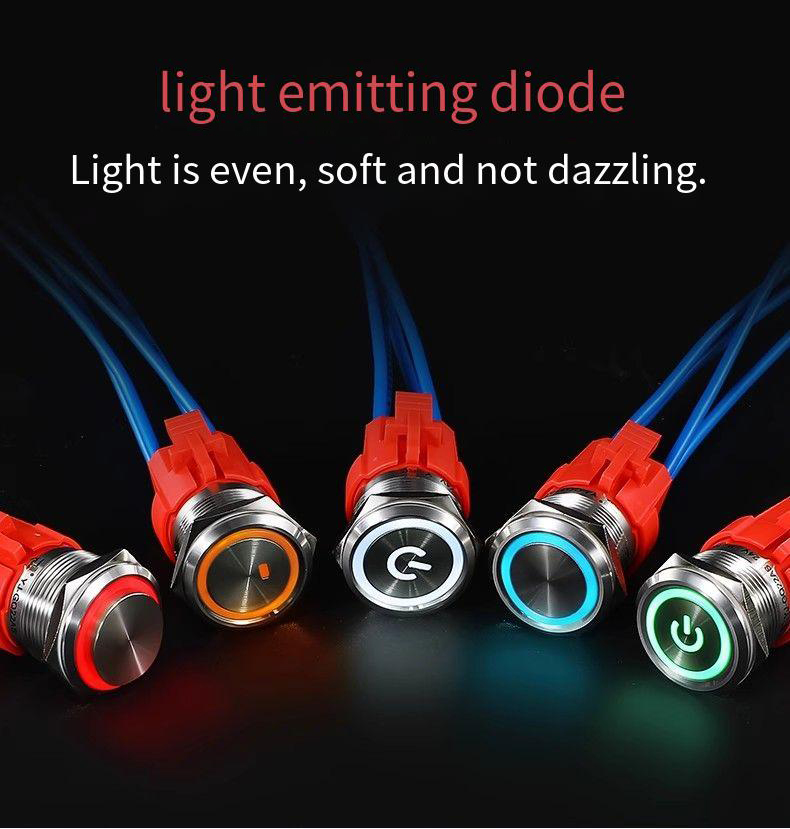
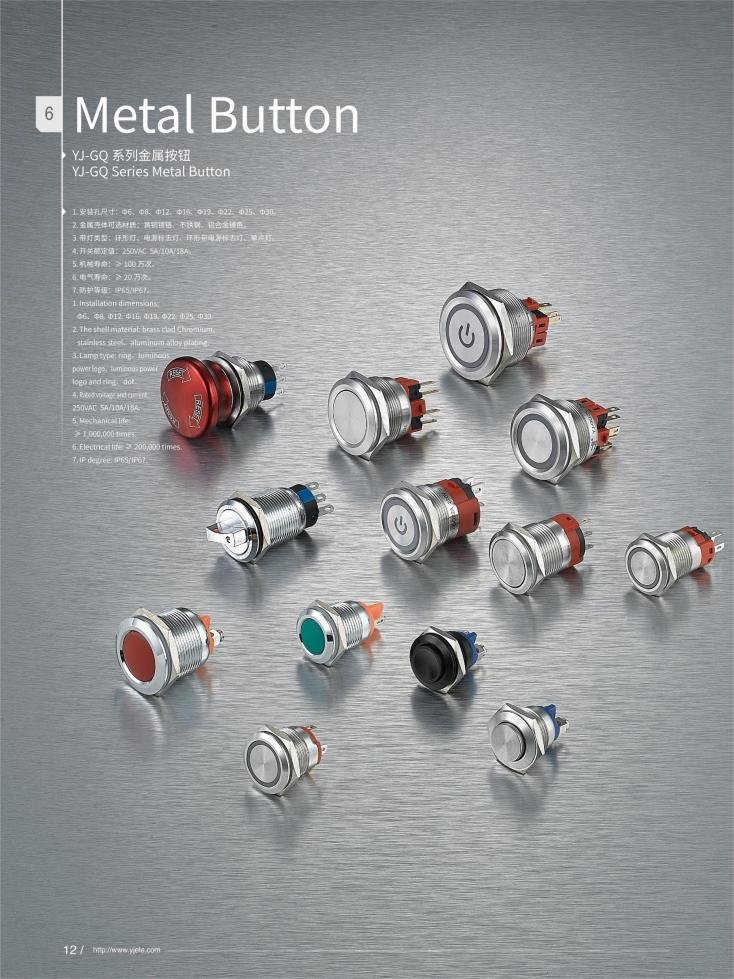
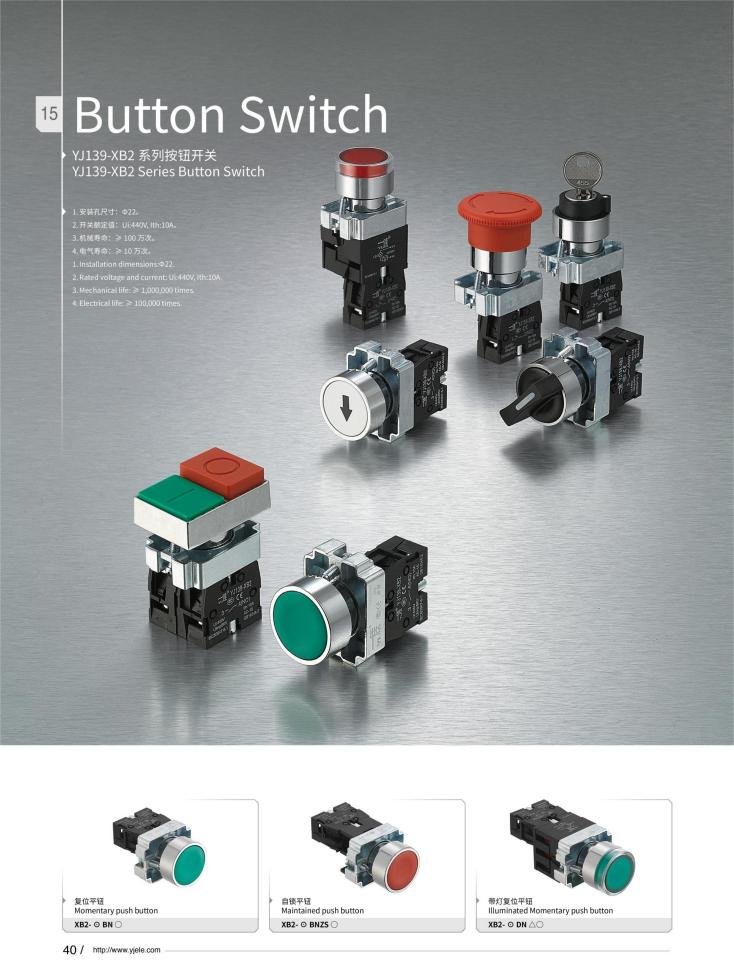
Metal push button switch are sturdy devices designed to control electrical circuits through a simple button press. Their robust metal construction not only provides durability but also offers tactile feedback, assuring the user that the button has been successfully pressed.
| Feature | Description | Benefits |
|---|---|---|
| Metal Construction | Made of stainless steel or aluminum | High durability, corrosion resistance |
| Tactile Feedback | Click sensation when pressed | Precise control and user confidence |
| Customizable | Available in illuminated and various sizes | Tailored to specific needs |

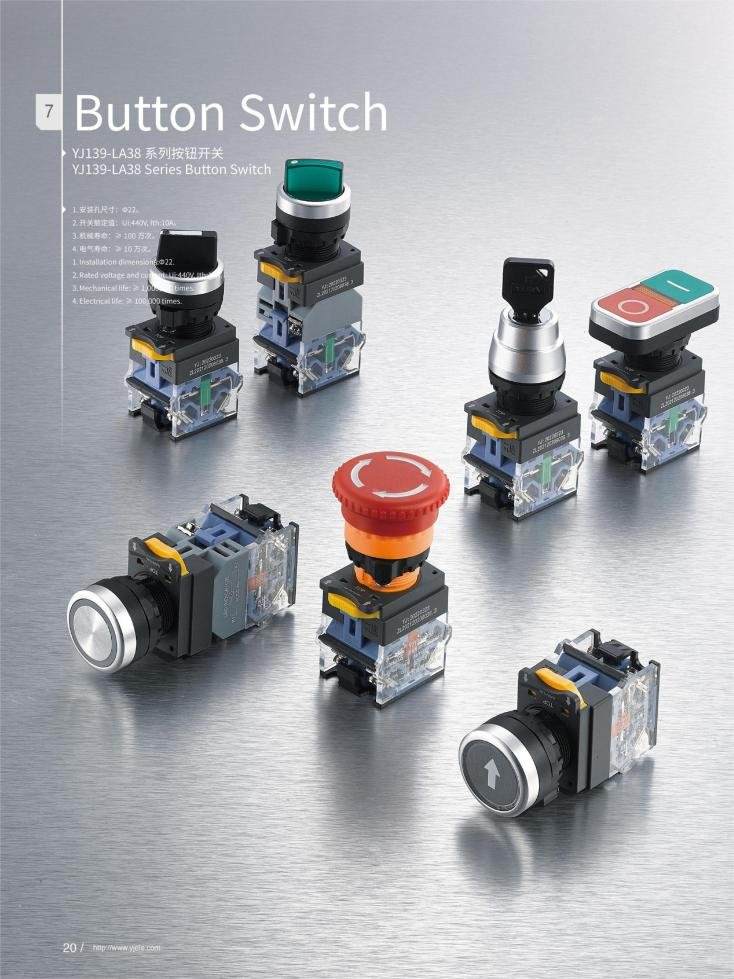
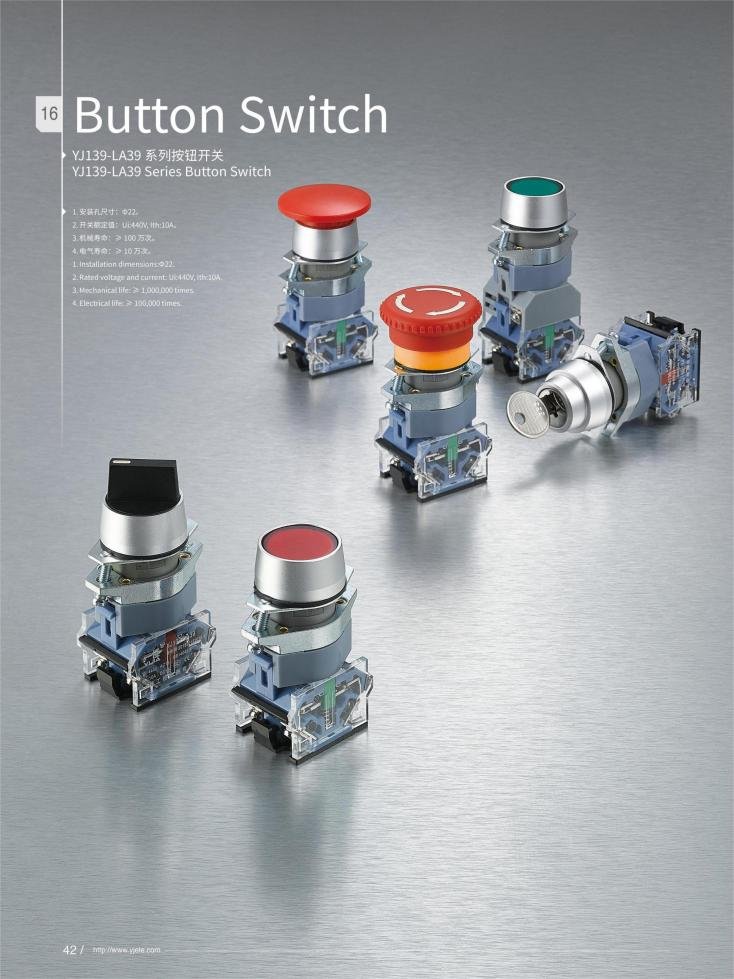
These Durable industrial momentary switches are everywhere—from industrial machines and medical devices to automotive dashboards. Their ruggedness and precision make them a go-to choice when failure is not an option. Curious about our custom metal switches? Feel free to inquire!
Momentary, Latching, and Maintained Switches
Let’s break down these three types of push button switches in simple terms:
| Switch Type | Definition | Behavior When Pressed |
|---|---|---|
| Momentary Switch | Also called momentary push button switch | Circuit completes only while pressed; releases and breaks the circuit immediately |
| Latching Switch | Holds its state mechanically after pressed | Circuit stays on or off after pressing until pressed again |
| Maintained Switch | Similar to latching but often electrically held | Stays in new state until changed by user action |
Momentary switches act like doorbells—they ring only as long as you hold the button. Latching switches are more like light switches: press once to turn on, press again to turn off. Maintaining these distinctions helps in choosing the right switch for your project!
Momentary vs. Latching vs. Maintained: What Makes Them Different?
Understanding how these switches function helps in selecting the right one. Here’s a side-by-side comparison:
| Feature | Momentary Switch | Latching Switch | Maintained Switch |
|---|---|---|---|
| Default State | Open circuit (off) | Depends on last action | Depends on last action |
| Circuit Behavior | Closed only when pressed | Remains closed or open until toggled | Same as latching but often electronic control |
| Common Applications | Keyboard keys, emergency stop buttons | Light switches, power buttons | Industrial controls, audio equipment |
| User Feedback | Immediate tactile feedback | Click on engagement/disengagement | Can be electronic |
| Example | Forklift horn sounding while pressed | Conveyor belt start/stop control | Toggle between modes on a device |
Notice how momentary switches favor brief actions, whereas latching and maintained switches control sustained states. Need help finding the ideal switch? Contact us for expert advice!
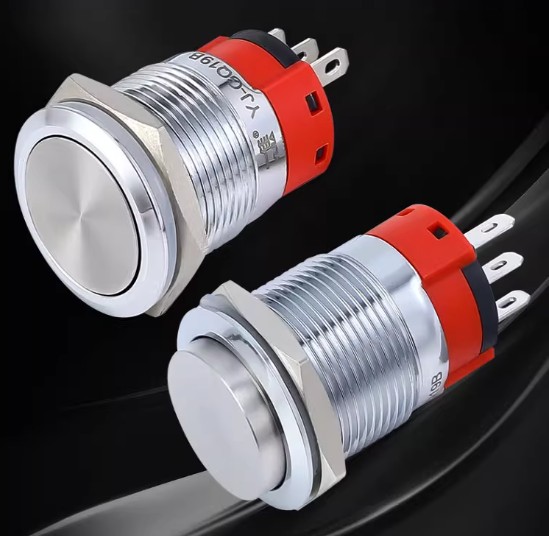
Need reliable, durable metal Momentary push button switch metal push button switches?
Contact us now for expert advice and tailored solutions!
How to Choose the Right Push Button Switch for Your Application
Selection depends on where and how you plan to use the switch. Consider these factors:
- Duration of Action Needed: Do you need the circuit active only while pressing (momentary) or until manually toggled (latching/maintained)?
- Environment: Will the switch be exposed to dust, moisture, or vibration? IP67 momentary push button switch Metal push buttons with appropriate IP ratings might be necessary.
- Electrical Load: Check the current and voltage ratings compatible with your circuit.
- Feedback Requirements: Is tactile or audible confirmation important?
- Size and Mounting: Panel cutout dimensions and terminal type affect installation.
| Factor | Momentary Switch | Latching Switch |
|---|---|---|
| Use Case | Safety buttons, keyboards | Lighting control, power toggling |
| Durability Needs | High if used frequently | Moderate to high |
| Environmental Fit | Often sealed IP65/IP67 options | Also available in rugged forms |
By keeping these points in mind, it becomes easier to narrow down the perfect switch. Have a particular use case? Let us help tailor your switch solution!
The choice between momentary, latching, and maintained push button switches boils down to your application needs. Momentary switches provide crisp, temporary action ideal for controls that must disengage instantly, while latching and maintained switches offer persistent states suitable for toggles or mode selection.
Understanding these differences, along with considerations like durability, environment, and electrical requirements, empowers you to select the right switch confidently. With YJ-GQ30B metal push button switches, you also gain robust protection and a reliable feel that elevates any control panel.
If you have any questions or want to explore our range of custom metal push button switches, don’t hesitate to contact us. We’re eager to help you find the perfect button to make your project click!
FAQ
Metal momentary switches tend to be very durable due to their construction, ideal for frequent use.
Use a multimeter to check continuity only when the button is pressed.
Yes! Many manufacturers offer size, color, illumination, and terminal customizations.