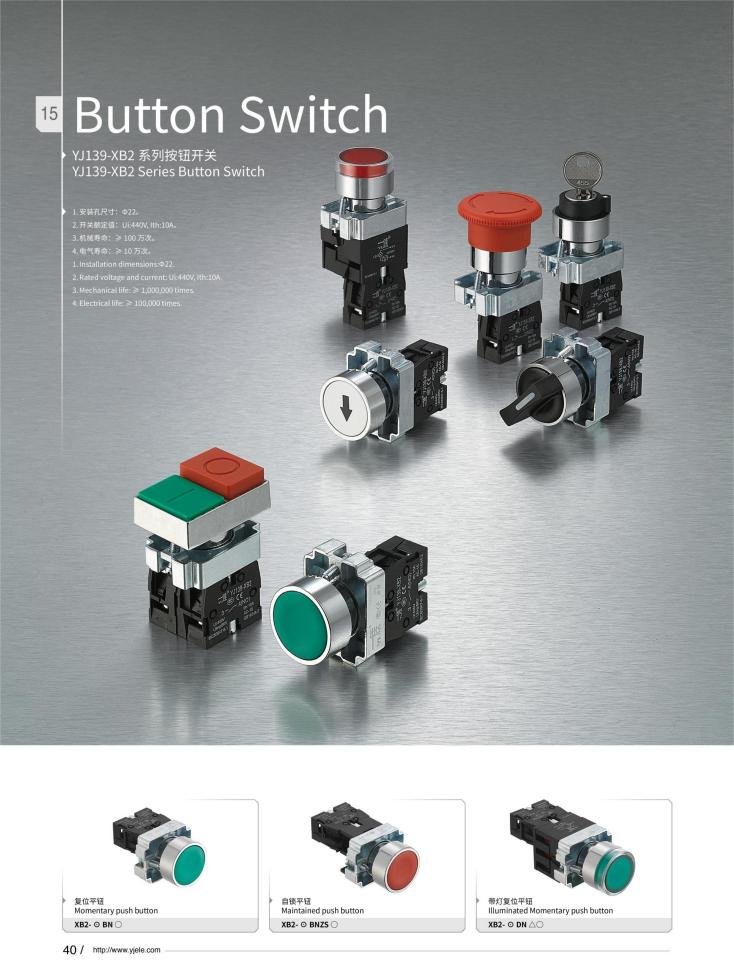
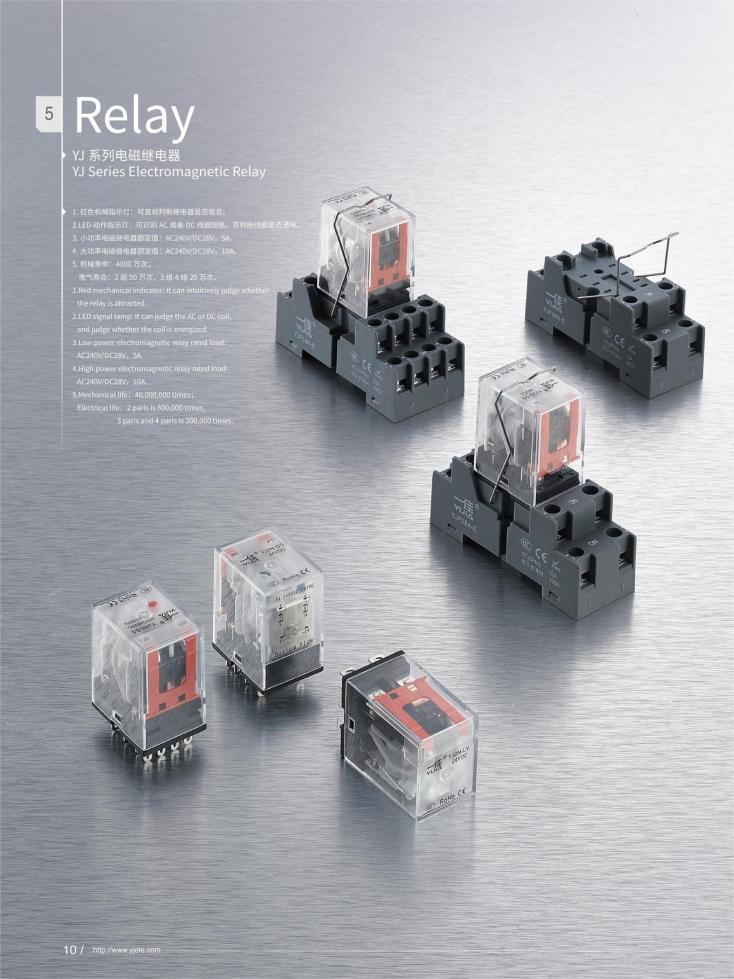
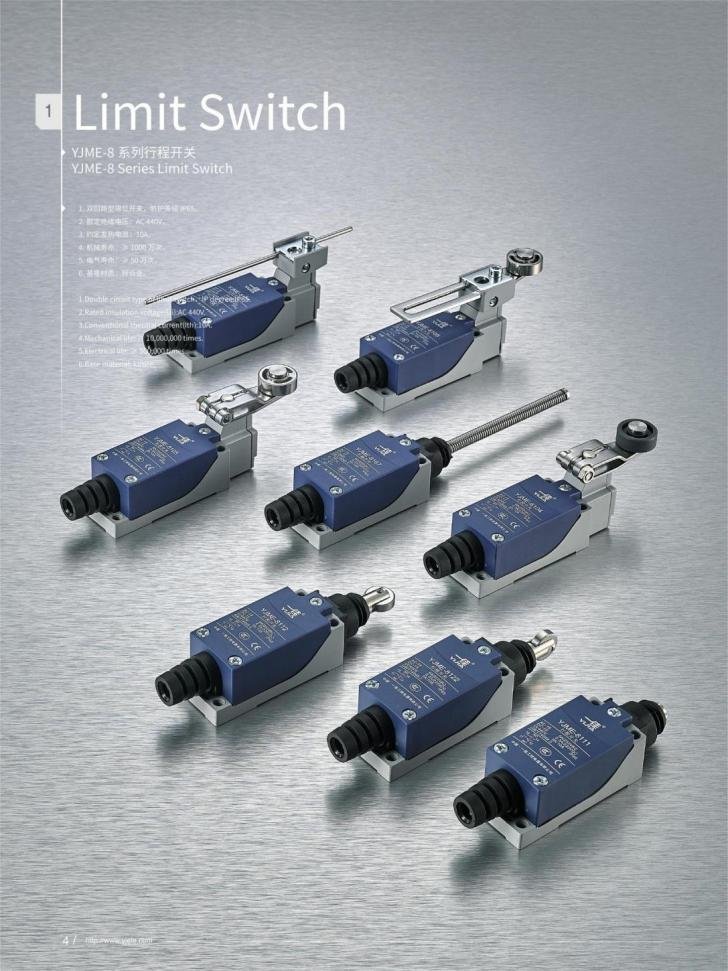
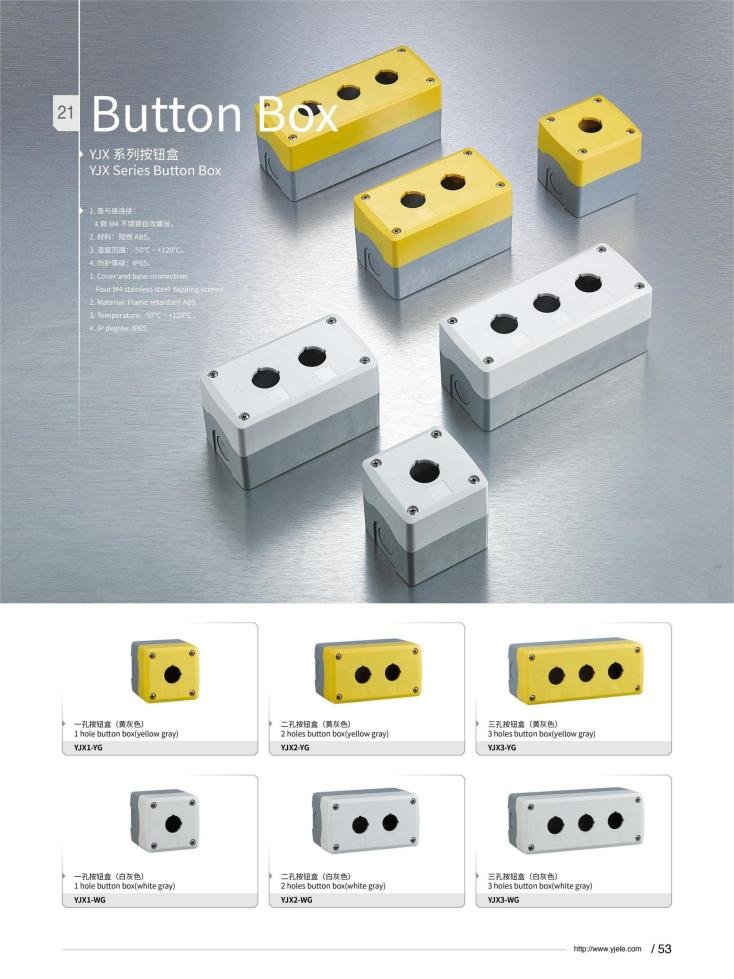
In industrial automation, momentary push button switch play a pivotal role in initiating controlled actions, testing sequences, and providing manual overrides. For equipment manufacturers, system integrators, and maintenance teams, selecting the right momentary switch affects reliability, ease of maintenance, and total cost of ownership. This guide distills the key considerations for B2B buyers and offers a clear path from specification to procurement.
What is a Momentary Push Button Switch?
Momentary push button switches are actuated only while pressed, returning to their resting state once released. They are ideal for momentary control signals, start/stop commands, jog functions, and testing procedures in complex automation systems. In contrast to latching switches, momentary devices minimize the risk of unintended continued operation after actuation, which is critical for safety and precision applications. For industrial buyers, understanding this distinction is essential to correct circuit design and reliability.

Core Specifications to Review
Actuation type: momentary (non-latching) vs. momentary with optional latching on release
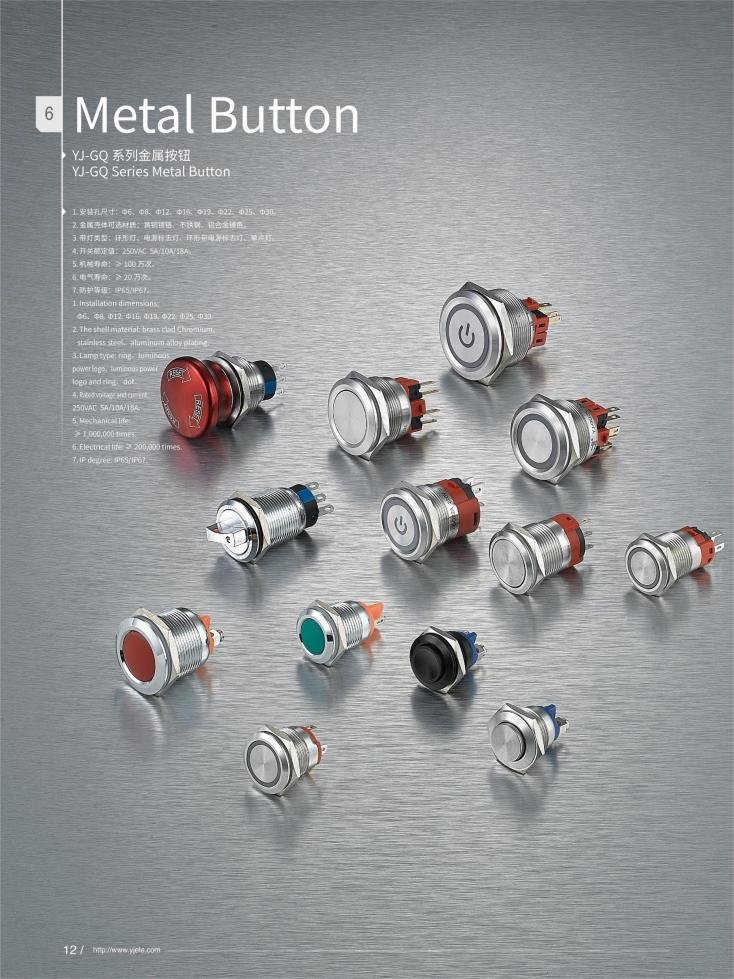
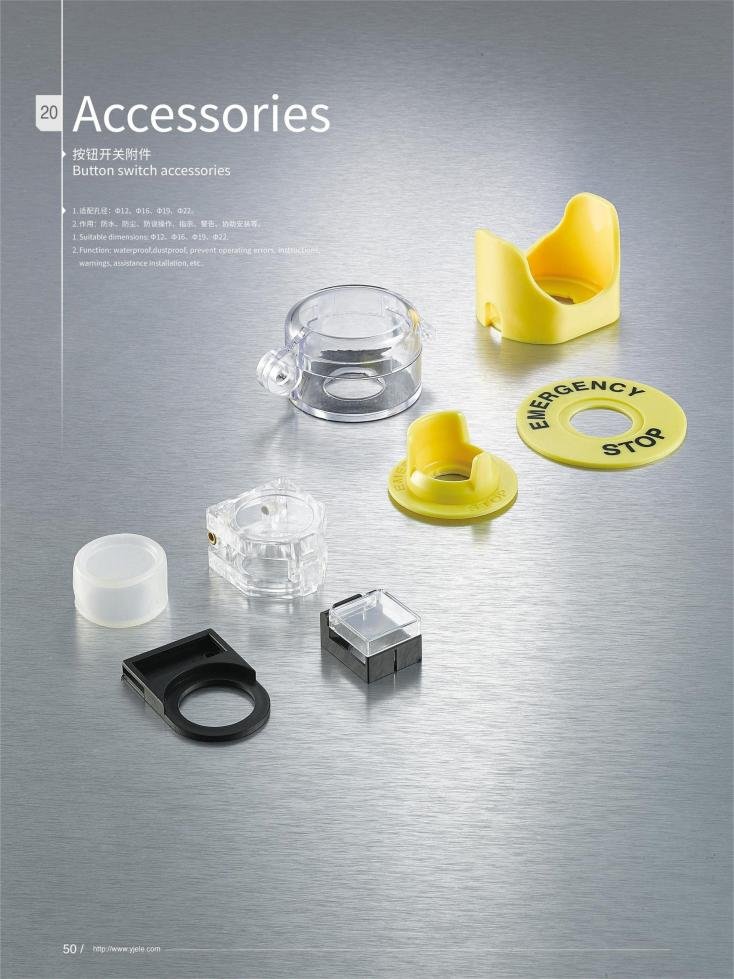
Actuator diameter and geometry: common sizes include 12 mm, 16 mm, 19 mm, 22 mm; choose based on panel cutout and operator feel
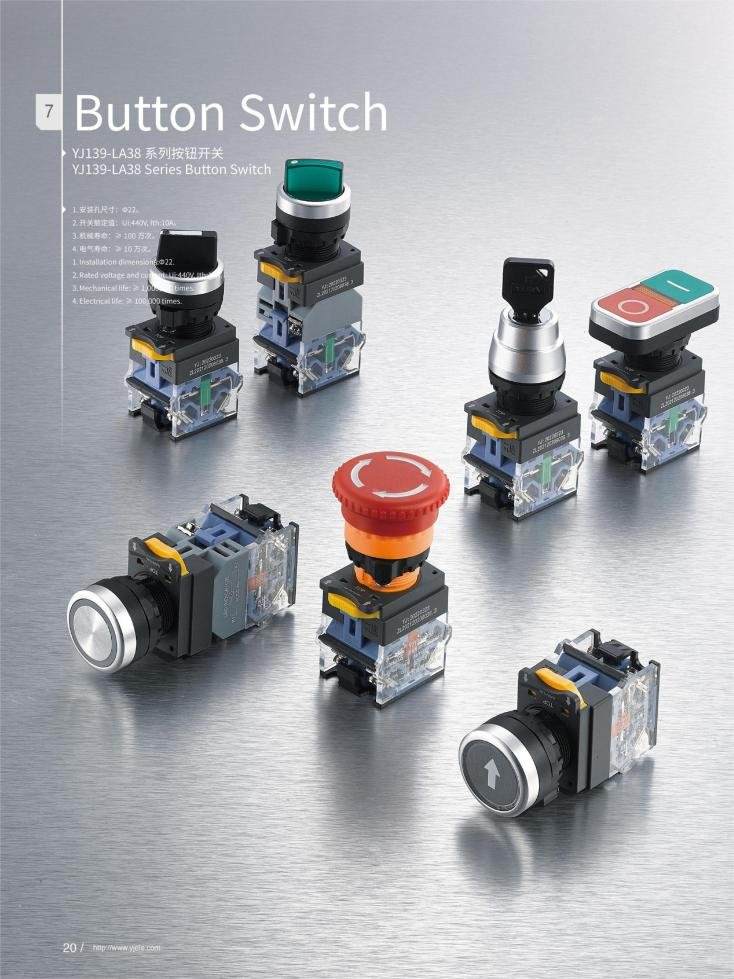
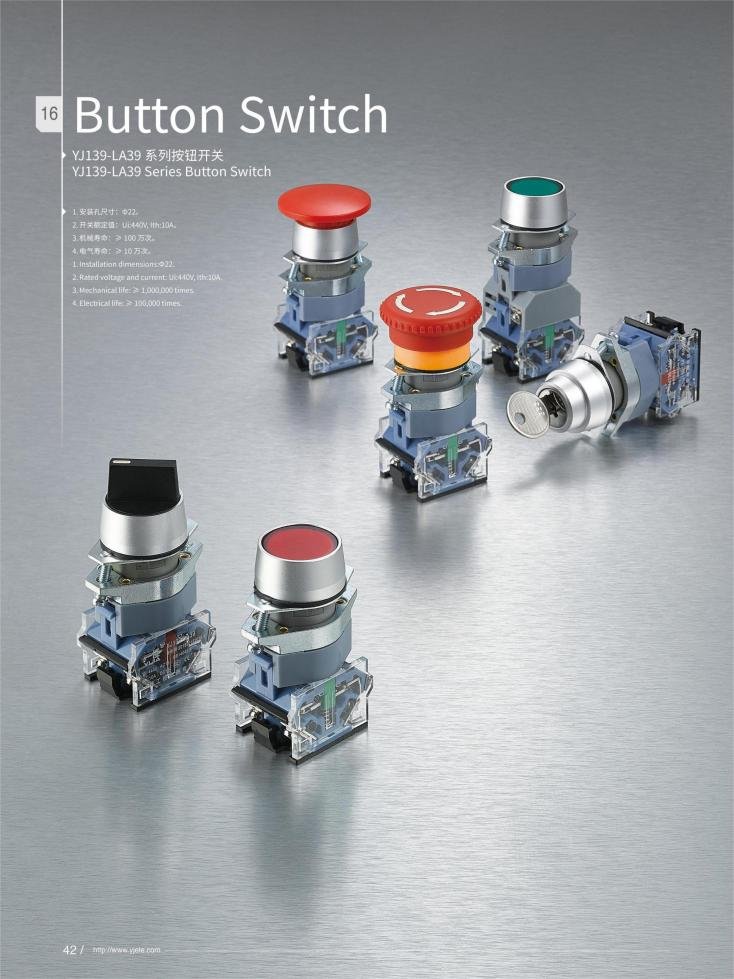
Contact arrangement: NO (normally open), NC (normally closed), or both (SPDT/ DPDT) to suit control logic
Electrical ratings: current (amps) and voltage (AC/DC) the switch can safely carry; typical industrial variants handle 2–5 A at 24–250 V
Electrical life: number of cycles under full load; higher values indicate greater durability in high-frequency applications
Mechanical life: actuation cycles before contact wear affects performance
Environmental protection: IP rating (e.g., IP65/IP67) for dust and water ingress; suitability for washdown or oil-exposed areas
Environmental and mechanical resilience: temperature range, resistance to vibration, and shock
Materials and finish: contact material (silver alloy common), housing and seal materials, and corrosion resistance
Mounting and wiring: panel cutout size, terminal type (quick-connect, screw terminals), and required torque
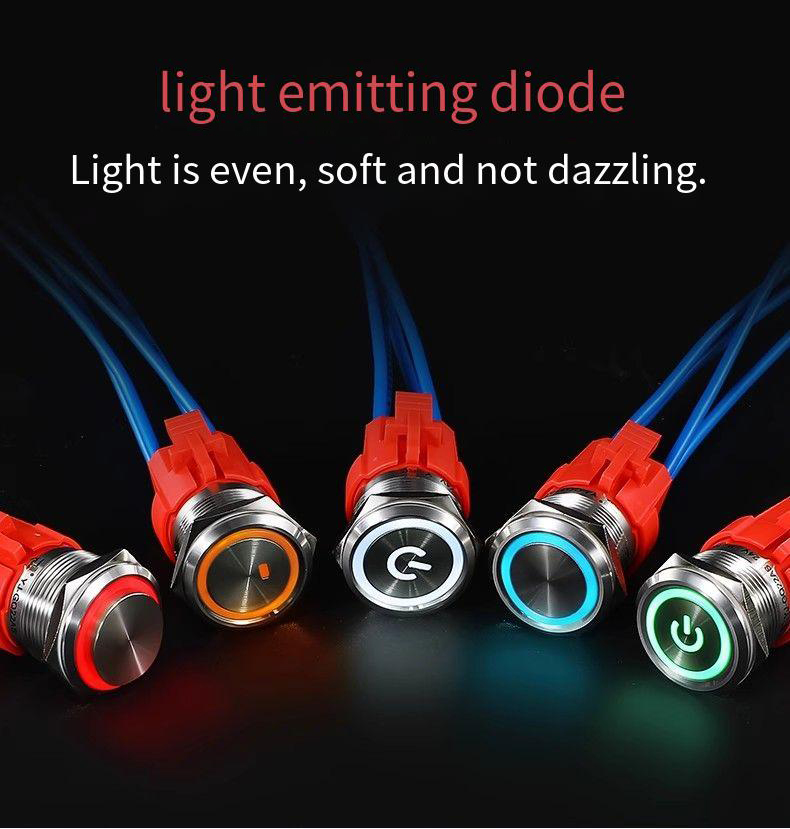
Illumination: optional LED illumination for status indication in low-light environments
Certifications: UL/CE/CSA or other regional conformity for industrial deployment
Section: Industry Applications and Use Cases
Machine control panels: start/stop buttons, jog operations, and reset functions
PLC and automated lines: sending discrete signals to switches inputs, enabling safe interlocks
Test rigs and maintenance: momentary triggers for manual testing without leaving devices in a latched state
Robotics and packaging: rapid manual overrides and quick reset points during calibration
Food & beverage or pharmaceutical environments: sealed variants for washdown and sanitary requirements
Practical Selection Guidelines
Define the control logic: determine NO/NC/DPDT configurations required by the control system
Match the panel space and ergonomics: ensure actuator size and actuation force align with operator expectations and available space
Assess environmental demands: select IP rating and materials appropriate for dust, moisture, oil, and cleaning processes
Confirm electrical compatibility: align current/voltage ratings with the load and any safety relays or interlocks in the circuit
Plan for lifecycle and support: prefer components with known durability and available technical support, documentation, and regional service
Consider customization: note whether color, illumination, or specific labeling is needed for quick identification on the line
Illuminated vs Non-Illuminated
- Illuminated momentary switches provide immediate visual feedback for operators, reducing errors in dim environments
- Non-illuminated variants are generally more cost-effective and simpler in high-temperature or high-ambient-light contexts
- When selecting illumination, assess power supply compatibility and the desired status indication scheme
Installation and Maintenance Tips
Verify electrical power is off before wiring; confirm correct polarity and contact configuration
Use appropriate sealants or gaskets to achieve the desired IP rating at the panel seam
Keep wire lengths tidy and secure to minimize strain on terminals
Document the exact model, date of manufacture, and batch for traceability and warranty claims
Schedule periodic inspections of contacts and seals to preempt wear-related failures
Our Capabilities and Why Partners Choose Us
Industrial-grade design and robust batch production with consistent quality
Tailored customization options: contact configurations, actuator colors, illumination, and IP sealing levels
Comprehensive technical support: datasheets, application notes, and rapid samples for validation
Reliable supply chain: competitive lead times, fixed pricing for volume, and clear warranty terms
Global or regional service coverage to support multi-site deployments
FAQ
Momentary switches conduct only while pressed and return to their resting state; latching devices mai
Choose based on the load type (resistive vs. inductive), voltage, and desired safety margin. For most industrial control signals, 2–5 A at 24–250 V covers common applications.
Base the decision on panel cutout dimensions and the operator’s reach and feedback tolerance. Common diameters are 12 mm, 16 mm, 19 mm, and 22 mm.
Not always; some models draw from the same control circuit, but ensure the supply can handle both the control signal and the LED current.
Plan for periodic inspection of seals and contacts, replace worn components promptly, and maintain documented part numbers for traceability.