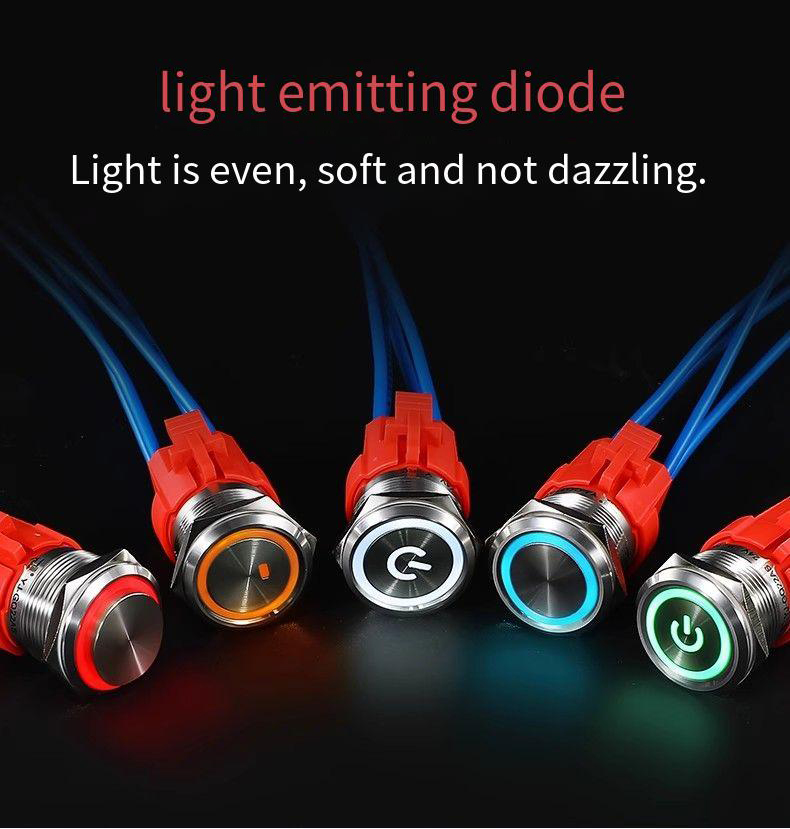
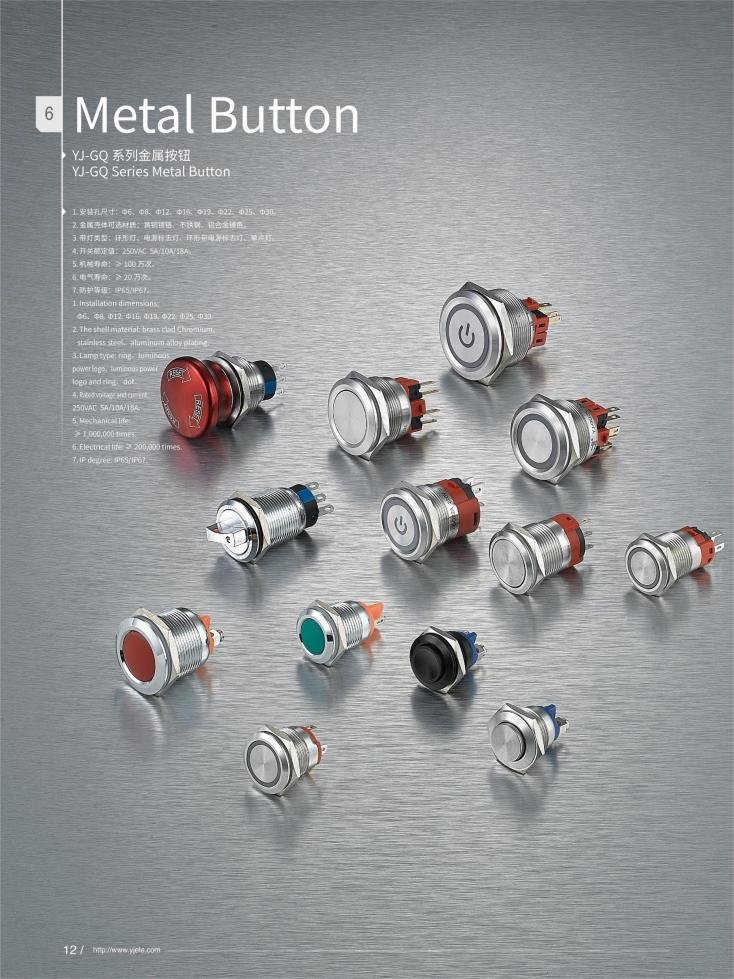
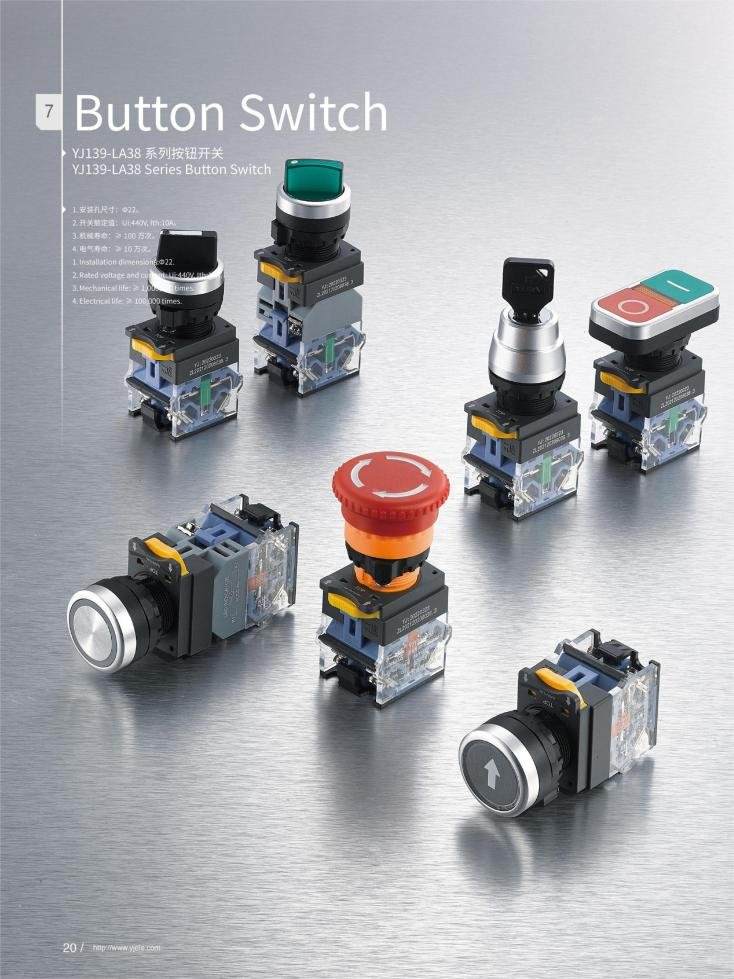
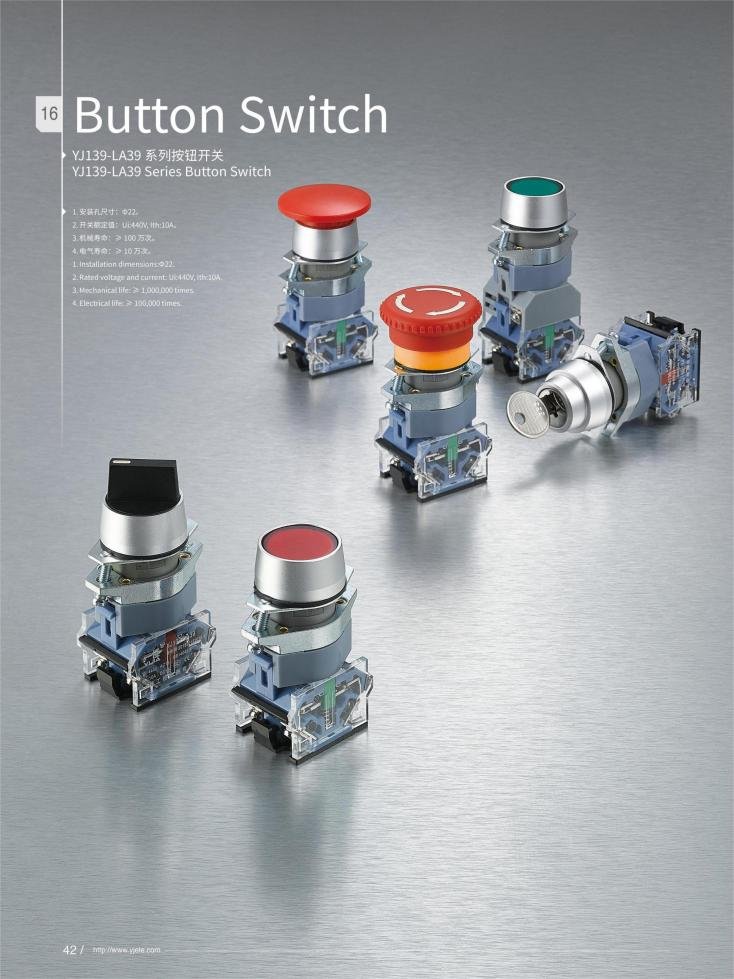
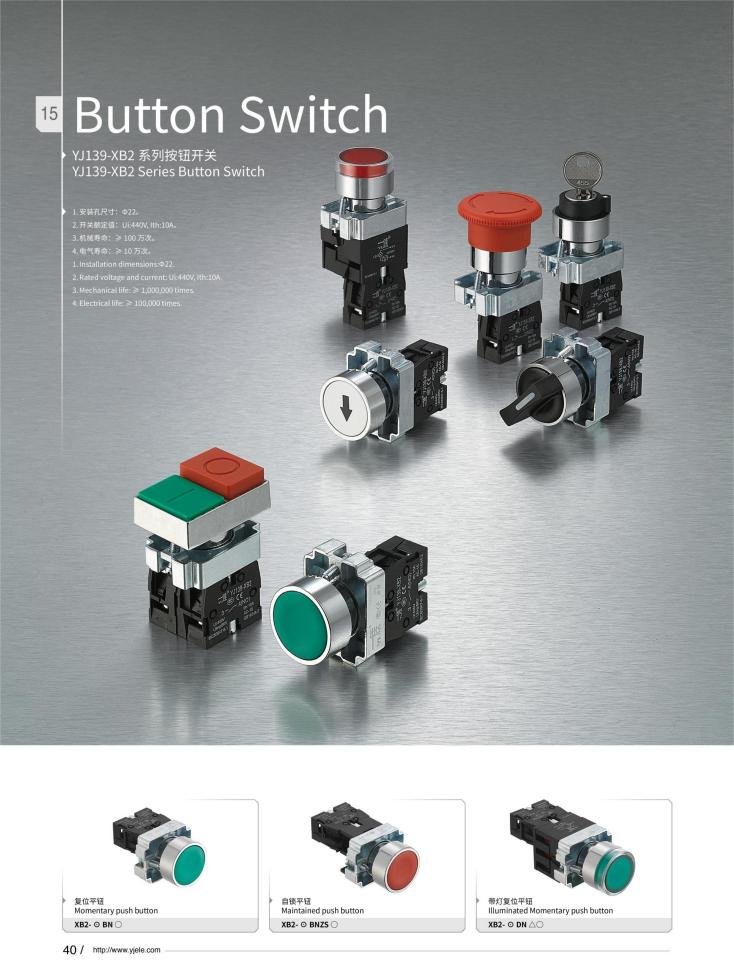
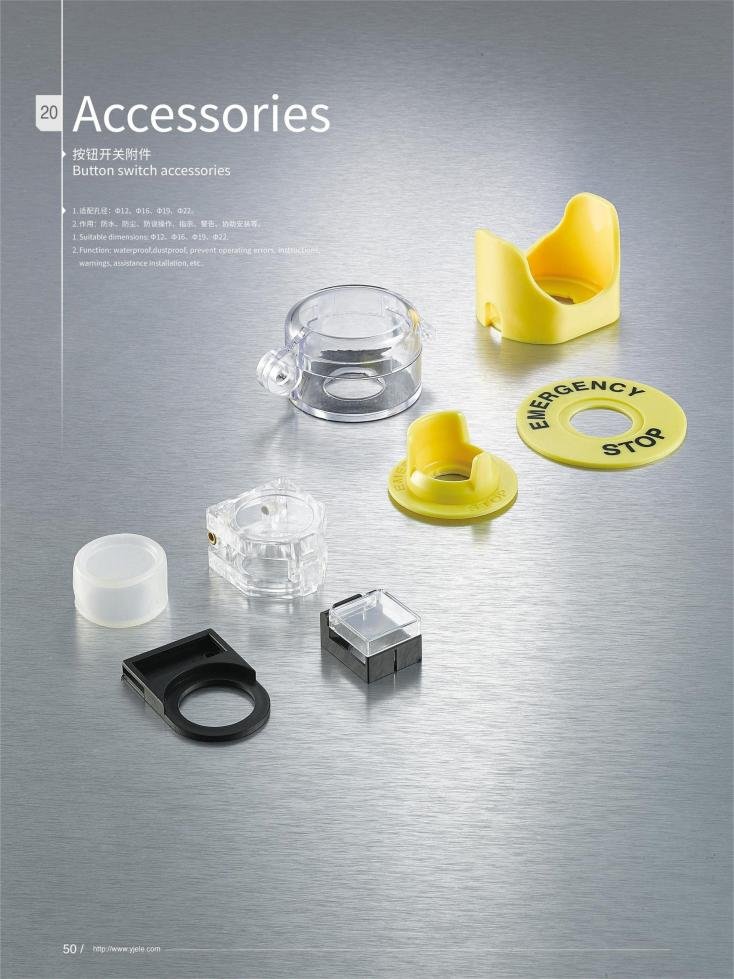
In today’s industrial automation landscape, Metal Push Button Switch play a critical role in delivering reliable control and quick human feedback on complex systems. This article explores their key benefits, selection criteria, and practical deployment considerations for B2B buyers such as system integrators, OEMs, and maintenance engineers. By focusing on durability, IP/IK protection, and easy integration with control panels, these switches help reduce downtime and extend equipment life.
Key takeaways
Durable metal enclosures provide superior shock resistance and corrosion resistance compared with plastic counterparts.
Correctly specified IP/IK ratings align with environmental conditions and safety requirements.
Standardized dimensions and mounting options enable faster panel integration and serviceability.
Core parameters to consider when selecting Metal Push Button Switch
| Parameter | Typical Range / Values | Why it matters for your application |
|---|---|---|
| Actuator material | Stainless steel, aluminum, or plated brass | Impacts tactile feel, wear resistance, and ingress protection compatibility |
| Contact configuration | NO / NC / 2NO-2NC | Determines control logic and safety interlocks |
| Rated current (Ith) | 3A–10A at 125–250V AC; some models 5A/250V AC | Matches load type and prevents contact wear |
| Insulation resistance | ~1000 MΩ min @ 500V DC | Reduces leakage and improves safety in high-potential circuits |
| Dielectric strength | ~2000 V RMS @ sea level | Ensures withstands voltage transients during switching |
| IP rating | IP67, IP69K common | Critical for dust and water ingress protection |
| IK rating | IK10 typically | Indicates impact resistance in harsh environments |
| Mechanical life | 100,000–1,000,000 cycles (depending on model) | Determines lifecycle cost and maintenance intervals |
| Mounting | Panel cutout size, mounting depth, bezel style | Affects ease of installation and panel aesthetics |
| Operating temperature | -20°C to +55°C (typical) | Ensures performance across temperature ranges |
| Certifications | UL, CE, RoHS, etc. | Compliance for global procurement and safety standards |
Note: Specific models may offer variants in head shape (round, square, illuminated), illumination color options, and locking mechanisms. When selecting, map your load characteristics (resistive vs inductive, AC vs DC) to the Ith rating and contact type to avoid premature wear or nuisance tripping.
Applications and Selection Guidelines
Applications
- Industrial control panels: routine start/stop, reset, and mode selection.
- Emergency stop systems: high-visibility and rugged construction for safety-critical use.
- Machinery start/stop sequences: reliable actuation under vibration and grime.
- Conveyors and automated tooling: precise momentary vs latching actions.
Guidelines
- Environment-first approach: prioritize IP/IK ratings and sealing for washdown or dusty environments.
- Electrical compatibility: ensure Ui (system voltage) and Ith (thead current) align with the controlled circuit.
- Mechanical compatibility: match head style and panel thickness to ensure ergonomic operation and secure mounting.
- Longevity and maintenance: plan for routine inspection of contacts, seals, and threading to minimize downtime.
How to Compare and Choose
- Core axes for decision:
- Environmental ruggedness (IP/IK)
- Electrical load compatibility (Ui/Ith)
- Mechanical form factor (head shape, height, mounting depth)
- Lifecycle and maintenance costs
- Certification requirements for target markets
- Quick scoring approach:
- Assign a weight to each axis based on project priorities.
- Score each candidate model on these axes, then compute a total score to identify the best fit.
Reliability, Testing, and Quality Assurance
- Key reliability considerations:
- Contact material and plating (silver or gold plating) to minimize contact resistance over life.
- Sealing integrity under dynamic loads and temperature cycling.
- Mechanical endurance in the intended duty cycle (momentary vs latching).
- Recommended tests for procurement:
- Mechanical life and travel travel metrics under representative loads.
- Thermal cycling and humidity exposure to assess seal performance.
- Vibration and shock testing aligned with equipment standards.
- IP/IK integrity verification after cycling.
Installation Best Practices
- Mounting and panel cutouts:
- Verify exact panel thickness range to avoid over-tightening or loose assemblies.
- Use the correct bezel and locking nuts to prevent loosening under vibration.
- Wiring and control integration:
- Route wiring to avoid strain on terminals; use ferrules and appropriate wire gauges.
- Maintain proper clearance from high-power lines and heat sources to protect insulation.
- Maintenance intervals:
- Schedule periodic inspection of actuator movement, sealing gaskets, and terminal torque to prevent degradation.
Customization and Value-Add Options
- Head shapes, sizes, and color options for status indication.
- Illumination integrations (LED indicators) with color customization for status signaling.
- Locking mechanisms and anti-tamper features for safety-critical panels.
- Custom label engraving and panel marking for traceability.
Certification and Compliance
- Regional and industry standards to consider:
- UL/ULc for North America, CE for Europe, RoHS for restricted hazardous substances, IP/IK standards for ingress and impact protection.
- Ensure that the selected model meets applicable voltage/current ratings and environmental requirements.
- Documentation to request from suppliers:
- Material safety data sheets (if applicable), test reports, and performance curves for your specific operating conditions.
Case Studies and Practical Tips
- Case study snippets (illustrative):
- A packaging line upgraded to IP67 metal push button switches, resulting in a measurable reduction in panel maintenance time due to improved dust ingress protection.
- An automation line using illuminated metal push buttons to improve operator response times in low-visibility environments.
- Practical tip: always prototype on a representative panel during commissioning to confirm tactile feedback, actuator travel, and LED visibility under real lighting conditions.
Metal Push Button Switches deliver robust performance for demanding industrial applications, combining durable metal housings, reliable electrical ratings, and versatile customization. For procurement teams and system integrators, aligning product specifications with load characteristics, environmental conditions, and panel integration requirements is essential to maximize uptime and minimize maintenance costs. Reach out to technical support or sales to discuss model recommendations, obtain datasheets, and explore sample programs or pilot deployments.
FAQ
The metal housing offers superior mechanical strength, better heat dissipation, and enhanced environmental sealing, leading to longer service life in demanding settings.
Consider dust exposure, water ingress risk, cleaning regimes, and potential impact scenarios. Higher IP/IK ratings provide greater protection but may affect size and cost.
Illumination is available on many models with LED options; illumination generally adds minimal impact on reliability when properly rated for the environment.
Yes, many suppliers offer configurable options to meet branding, safety, and operator usability requirements.
Lead times vary by model and customization level; standard warranties typically range from 1 to 3 years, with longer coverage on select industrial lines.