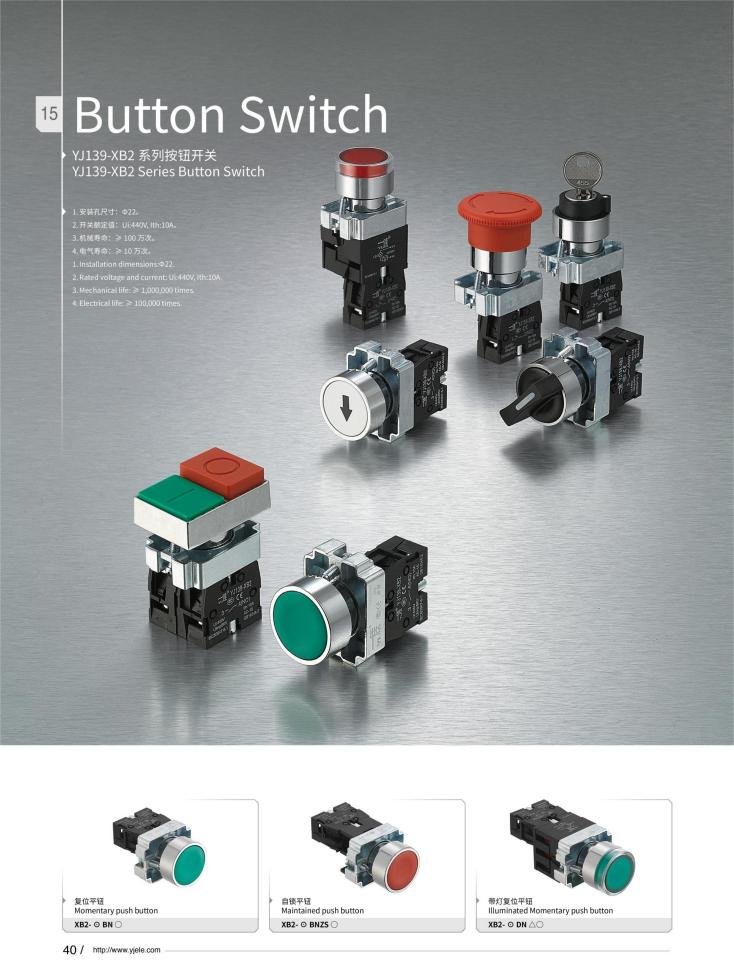
If you’re in the market for a Metal Push Button Switch, understanding the differences between momentary (self-resetting) and latching (maintaining) types can save you a ton of headaches. Whether you’re designing industrial control panels, security systems, or consumer electronics, choosing the right switch matters. But how do you tell one from the other, and why should you care?
Let’s dive into what makes these two types of switches tick, their ideal uses, and how you can pick the best one for your needs — all while sprinkling in some important details like waterproof ratings and LED features. If you’re a B2B buyer or engineer, this guide will serve as a handy reference to clarify your choice and optimize your design or purchase.
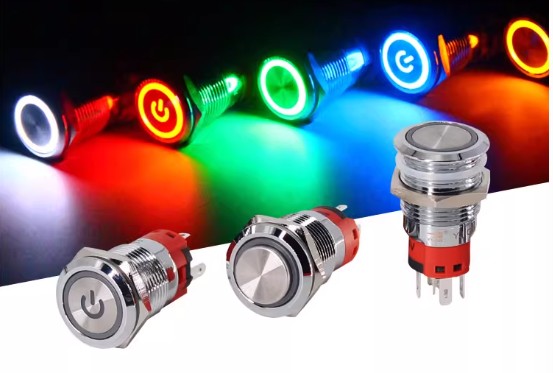
The Basics of Metal Push Button Switches
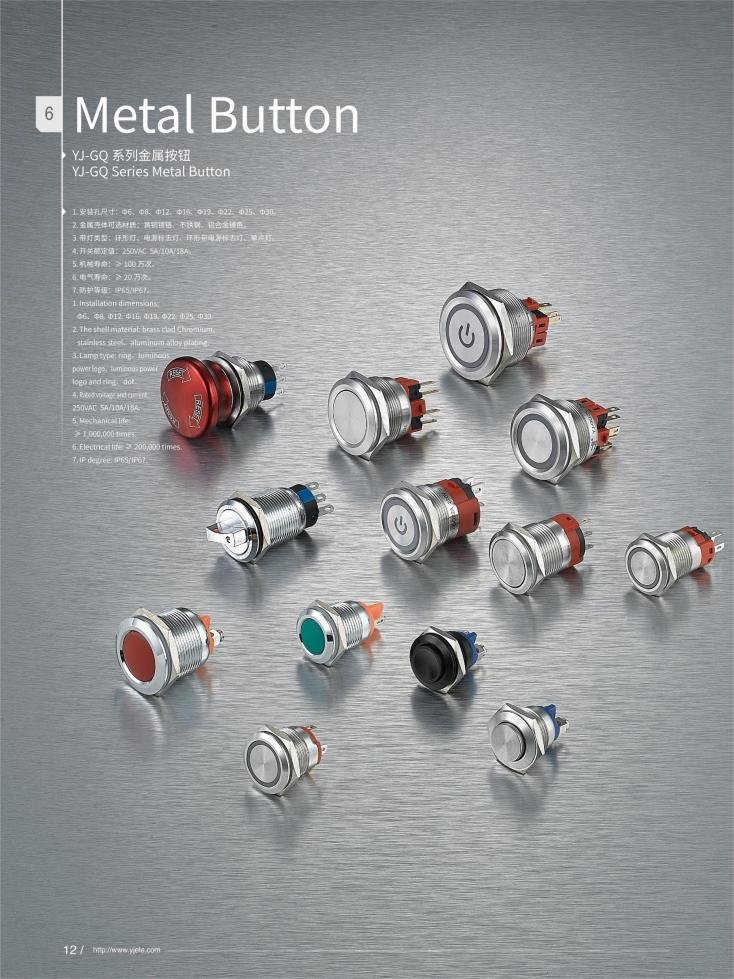
Metal push button switches are widely appreciated for their durability, sleek look, and reliability. Usually made from stainless steel or other tough metals, they can handle harsh environments and heavy usage.
| Feature | Description |
|---|---|
| Material | Stainless steel, Brass, Zinc alloy |
| Protection Level | Often IP65 or IP67 waterproof ratings |
| Common Uses | Industrial machinery, Automotive panels, Access controls |
What is a Metal Push Button Switch?
At its core, it’s a simple device: press the button, and it makes or breaks an electrical connection. But the way it behaves afterward is key, leading us to two main categories:
- Momentary (Self-resetting): The button only stays pressed while you hold it down.
- Latching (Maintaining): The button stays in the pressed position — or “latched” — until pressed again.
Understanding this distinction helps steer your product design or system build in the right direction.

What Does “Momentary” Mean?
Momentary metal push button switches, sometimes called self-resetting switches, spring back to their original position as soon as you let go. Imagine a doorbell button — you press it, it triggers a signal, and then it pops right back.
| Aspect | Momentary Switch Details |
|---|---|
| State after release | Returns to default position |
| User feedback | Tactile click or soft return |
| Typical uses | Start/stop machines, reset buttons, doorbells |
The spring mechanism inside plays a crucial role here. This feature is excellent when you want a temporary action without the switch staying engaged unintentionally.
Thinking about applications for your own metal switch? Momentary switches are perfect when you need a quick on-off signal. Feel free to contact us to get the perfect model tailored for your project!
Exploring Latching Metal Push Button Switches
Latching switches behave differently: they stay in their new position when pressed. Press once, and it locks ‘on’; press again, and it toggles ‘off’. You might be familiar with the power button on your monitor or some older flashlight models.
| Features | Latching Switch Details |
|---|---|
| State after press | Maintains new position until pressed again |
| User feedback | Often a distinct ‘click’ or indicator LED |
| Typical uses | Power switches, mode selectors, lighting controls |
Because the switch holds its position, it’s commonly used where you want a lasting effect without continuous pressure.
If your project requires a switch that remembers its state, a latching metal push button switch is your best bet. Let us help you find one with the right specs and durability for your needs.
Key Differences at a Glance
Let’s put the distinctions side-by-side:
| Characteristic | Momentary (Self-resetting) | Latching (Maintaining) |
|---|---|---|
| Button stays down? | No, returns to original position | Yes, stays pressed until toggled |
| Action type | Temporary switch | Toggle switch |
| Common application examples | Doorbells, reset buttons, game controllers | Light switches, power ON/OFF buttons |
| Suitable for | Instantaneous commands | Sustained commands |
Understanding these differences can save you from major system redesigns or customer complaints down the line. Are you unsure which would suit your project? Reach out, and we’ll guide you in picking the right metal push button switch.
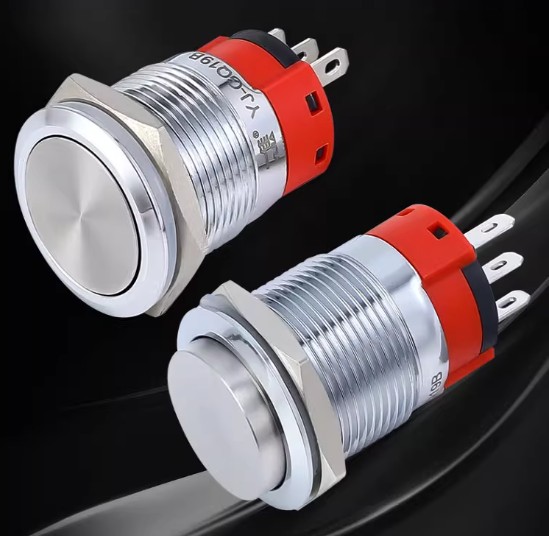
Need reliable, durable metal push button switches?
Contact us now for expert advice and tailored solutions!
Choosing the Right Metal Push Button Switch for Your Needs
Picking a switch isn’t just about momentary vs. latching. Consider these factors:
| Criteria | Details |
|---|---|
| Environmental protection | Waterproof ratings such as IP65 or IP67 |
| Load and electrical specs | Voltage and current ratings critical to your circuit |
| Materials and finish | Stainless steel for corrosion resistance, brass for conductivity |
| Illumination | LED backlit buttons for status indication |
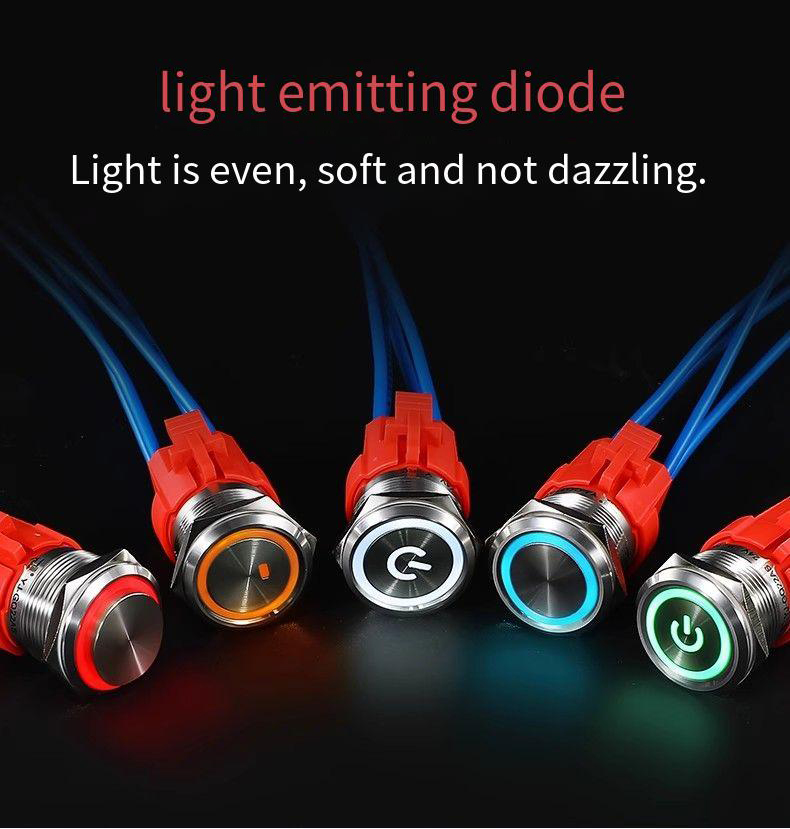
The Waterproof Metal Push Button Switch and LED Illuminated Metal Push Button Switch are hot picks when durability and visibility count. Need help with wiring? Ask us for our Metal Push Button Switch Wiring Diagram and guidance.
Let us help you configure a switch that fits perfectly—send us an inquiry today!
Installation and Maintenance Tips
Even the best switch won’t perform well if installed or maintained poorly. Here are some quick guidelines:
| Step | Tip |
|---|---|
| Installation site | Ensure the mounting surface is clean and flat |
| Wiring | Follow correct polarity and use recommended wire gauges |
| Testing | Check button functionality before final assembly |
| Maintenance | Regularly clean switch surface; avoid harsh chemicals |
| Troubleshooting | Inspect for stuck buttons or intermittent connections |
Sticking with these practices can extend the life of your metal push button switches and keep your systems running smoothly. Need a custom switch that’s easy to install? Contact us for tailored solutions!
So, what did we learn? Whether you need a quick, temporary push with a momentary metal push button switch or a toggle-style action with a latching metal push button switch, the choice boils down to your project’s needs.
From industrial switchboards to sleek consumer devices, metal push button switches combine style and robustness—especially when paired with features like waterproofing and LED indicators.
Choosing the right type not only improves functionality but also durability and user experience. Got questions or ready to source the perfect metal button switch for your B2B project? Reach out to us—we’re here to help you get it right the first time.
FAQ
Momentary switches only activate while you press and hold them, automatically returning when released. Latching switches stay in their pressed position until pressed again, acting like a toggle. This difference impacts their usage—for quick actions use momentary, for sustained on/off control choose latching.
Check the IP rating on the product label or datasheet. IP65 means it is dust-tight and protected against water jets. IP67 offers protection against immersion up to 1 meter. Waterproof switches are great for outdoor or harsh environments.
Yes, LED illumination can be integrated into both types to provide on/off or status indication. It’s common for industrial and consumer applications needing visual feedback.
Such switches usually have separate terminals for the switch contacts and LED. Identify the LED terminals (often marked), then connect power and ground accordingly. For the switch function, connect the contacts as per your circuit requirements.
Momentary switches are ideal for reset buttons, doorbells, or momentary commands in machinery. Latching switches are used for power control, mode selection, and sustained operations where the device remains on until turned off.