When you think about the modern HVAC system — be it in a commercial building, a factory floor, or an industrial chill room — one unsung hero often goes unnoticed: the relay switch for AC units. Working hand in hand with the metal push button switch, these small components help control massive systems that keep people comfortable and equipment running smoothly.
Whether you’re a HVAC manufacturer, supplier, or engineering project manager sourcing bulk components, understanding how these switches work and where to apply them can optimize both performance and cost efficiency. Let’s explore how these devices fit into the HVAC ecosystem and what to consider when selecting the right models for your projects.
What Is a Relay Switch for an AC Unit?
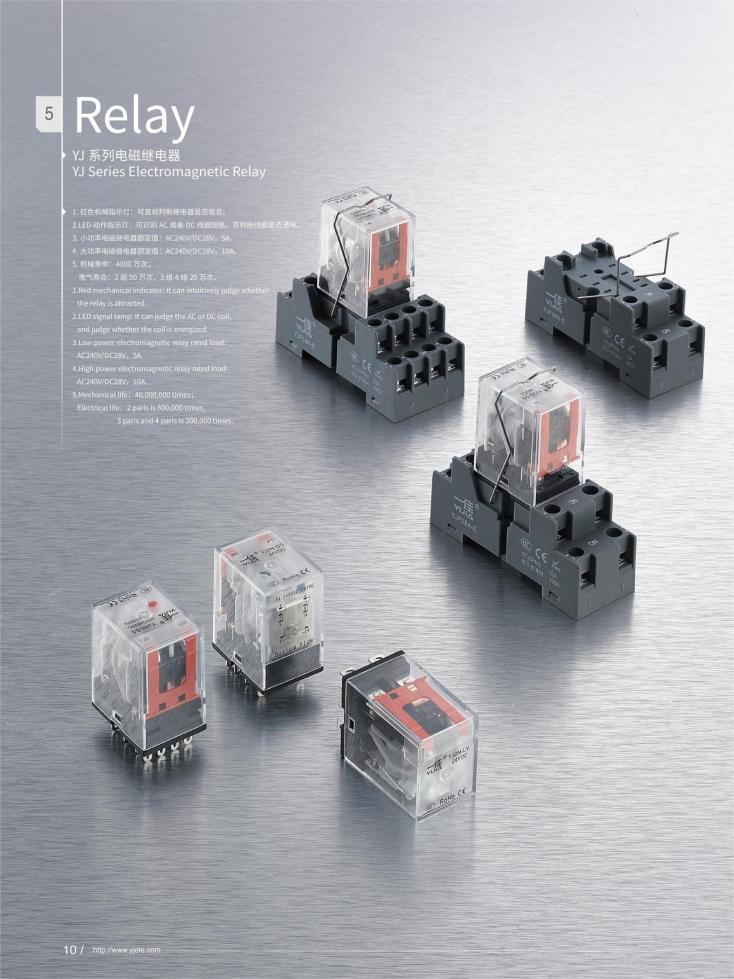
A relay switch for an AC unit is an electromechanical device that opens or closes circuits using low-power signals to control high-voltage or high-current circuits. In simpler terms, it allows small control systems (like a thermostat or microcontroller) to regulate heavy equipment, such as compressors, blowers, or condensers.
The relay acts like a gatekeeper — the HVAC’s “traffic cop.” When the thermostat calls for cooling, it sends a signal to the relay coil. The relay then activates, closing the circuit to power the compressor or fan motor. As demand fluctuates, it rapidly connects and disconnects circuits while maintaining safe voltage isolation.

The Critical Role of Relay Switches in HVAC Systems
In large commercial setups, relay switches ensure operational safety, reduce manual intervention, and support automation. Here’s how they function in various HVAC components:
| HVAC Component | Role of Relay Switch | Example Use Case |
|---|---|---|
| Compressor | Turns compressor on/off via thermostat control | Relay activates the compressor contactor at cooling demand |
| Blower motor | Controls fan speed and timing | Multi-speed relay switch combinations |
| Condenser unit | Enables outdoor unit operation | Relay triggers condenser fan under high-load conditions |
| Defrost system | Manages heating element cycles | Particularly in heat pumps |
| Control boards | Isolates low-voltage signals | Protects circuits from power surges |
By integrating relay switches for AC units, engineers gain flexibility to manage complex load controls through automation panels and smart home systems.
Metal Push Button Switches: The Human Interface of HVAC Controls
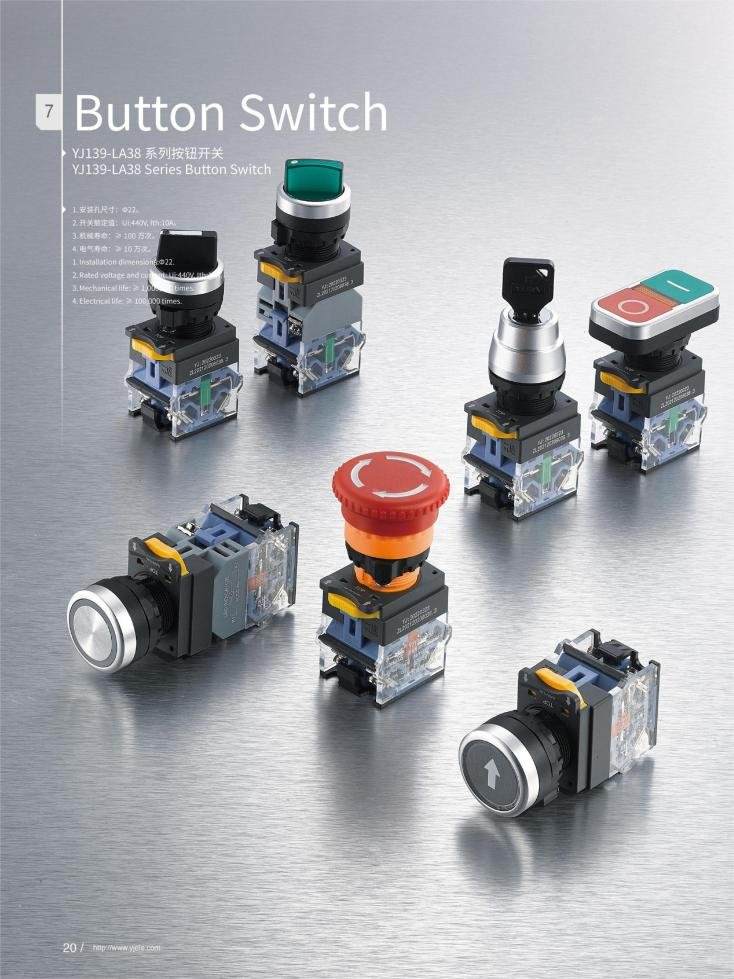
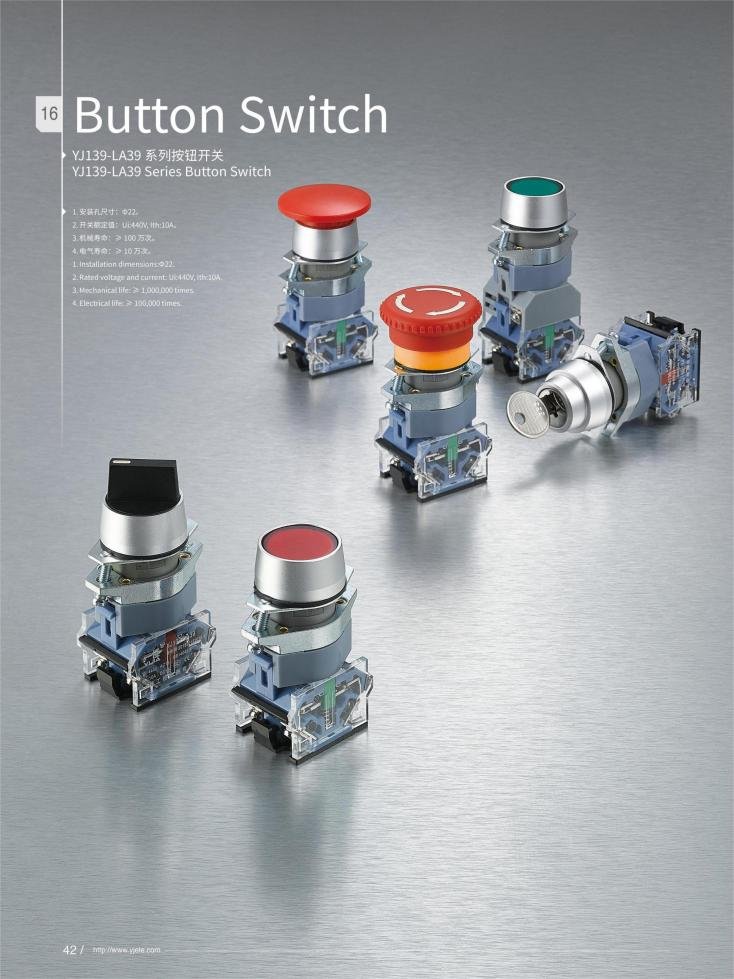
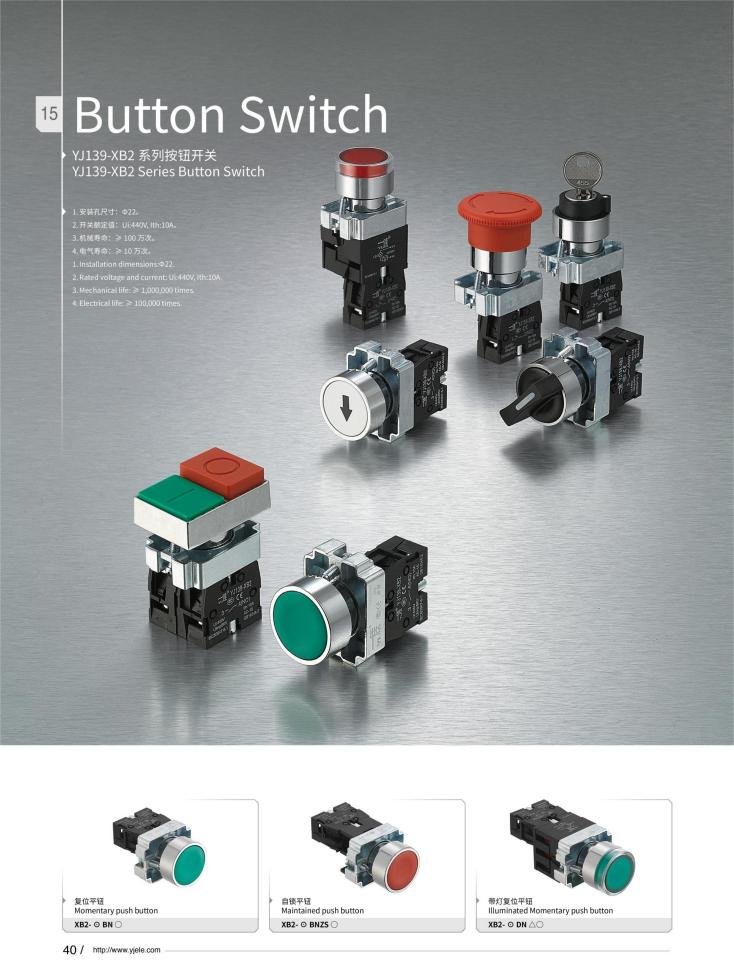
If the relay is the system’s “brain,” the metal push button switch is the “handshake” between human and machine. These rugged, durable switches provide precise manual control over HVAC functions — from start/stop to emergency shutdowns.
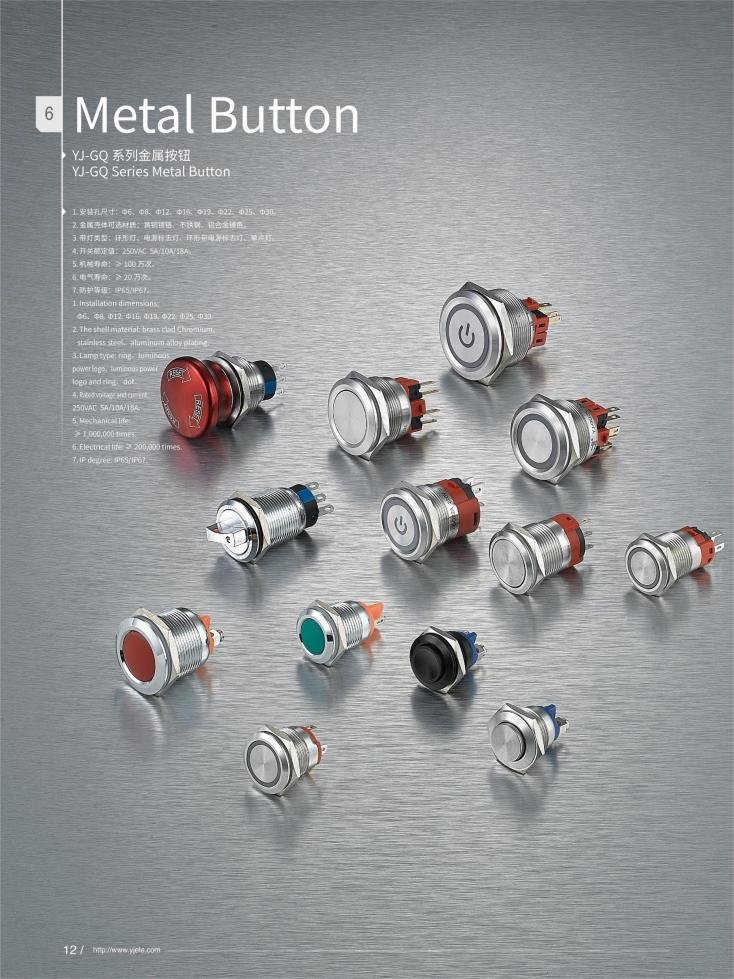
Unlike plastic push buttons, metal push button switches provide superior tactile feedback, resistance to water and dust, and a longer lifespan. This makes them ideal for harsh industrial environments such as compressor rooms or outdoor control panels.
Common HVAC applications include:
- Power ON/OFF control for air-handling units.
- Mode selection (cooling, heating, ventilation).
- Emergency stop buttons for maintenance.
- Reset buttons for compressor and fan circuits.
Relay Switches and Metal Push Buttons: Working Together
In practical HVAC installations, relay switches and metal push button switches often operate as a coordinated pair. The push button sends a low-voltage control signal to trigger a relay, which then powers larger motors or circuits. This setup provides two key benefits:
- Safety and Control: The user interacts with the low-voltage circuit only, avoiding direct exposure to high current.
- Reliability: Metal push buttons paired with robust relays ensure fewer mechanical failures over long operating periods.
For example, when a technician presses an ON metal push button, it energizes the relay coil, starting the compressor or blower motor. Conversely, pressing the OFF button de-energizes the coil, stopping the unit safely.
Choosing the Right Relay Switch for Your AC System
Selecting the correct relay involves evaluating both electrical and environmental specifications. Here’s a quick reference:
| Parameter | Description | Typical Range |
|---|---|---|
| Coil Voltage | Determines compatibility with control circuit | 12V, 24V, or 120V AC/DC |
| Contact Rating | Defines maximum current/voltage load | 10A–30A for standard HVAC use |
| Contact Form | SPST, SPDT, DPDT configurations | Vary by control complexity |
| Operating Temperature | Sensor resilience to environment | -40°C to +85°C |
| Mounting Type | DIN rail, socket, or PCB mount | Based on installation need |
B2B buyers and HVAC part suppliers often look for relays from reliable manufacturers offering OEM customization — from coil voltage designs to logo laser engraving — ensuring smooth integration into guided control panels.
If you’re a wholesaler or an engineering procurement manager, always request datasheets and test certifications before bulk ordering. This ensures your relay meets both safety and energy efficiency standards under ISO or UL guidelines.
Factors to Consider When Selecting Metal Push Button Switches
When specifying metal push button switches for HVAC systems, focus on:
- Material durability: Stainless steel or aluminum alloys provide corrosion resistance.
- Ingress Protection (IP) rating: IP65 or IP67 is ideal for dust- and moisture-prone environments.
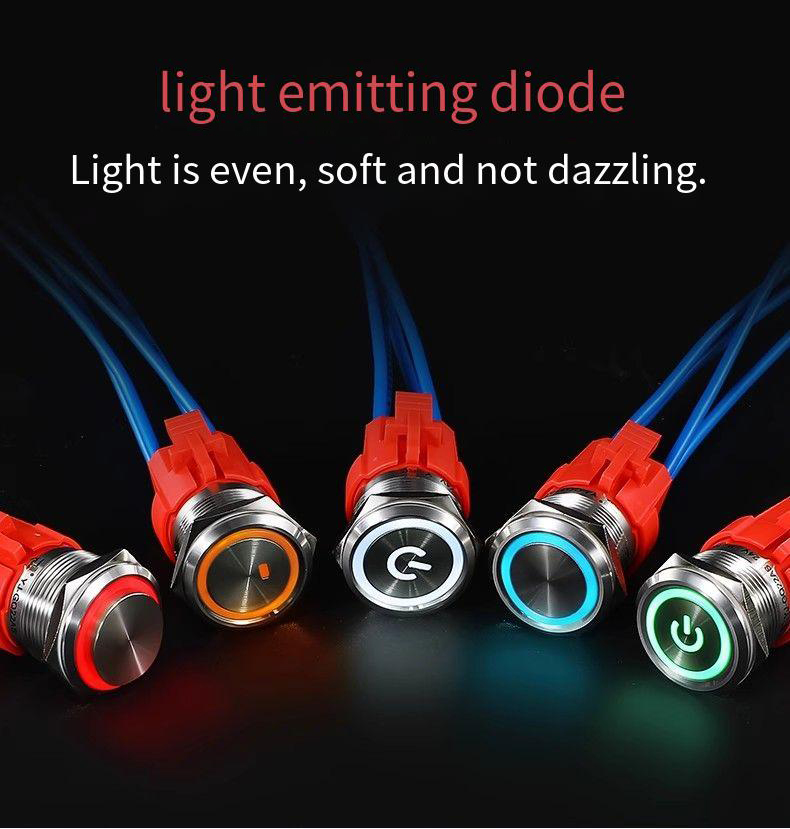
- LED indicator colors: Useful for status visualization in control panels.
- Button size and design: Ranges from 12mm to 30mm for different applications.
- MOQ and customization: Ask your supplier about custom marking, LED voltage, or symbol engraving to match your branding or safety indicators.
| Specification | Common Option | HVAC Benefit |
|---|---|---|
| Material | Stainless Steel 304/316 | Anti-rust protection |
| IP Rating | IP65 / IP67 | Outdoor panel use |
| LED Color | Red, Green, Blue | Visual feedback |
| Mount Size | 16mm, 19mm, 22mm, 25mm | Universal compatibility |
Custom-engraved start/stop push buttons are also a great option for OEM system manufacturers, improving both the design aesthetics and operator experience.
Industry Trend: Smart HVAC Control Systems
With the rise of IoT and smart building automation, relay switches and push button switches are evolving. Modern HVAC systems integrate digital relays controlled by microprocessors, offering remote diagnostics and predictive maintenance.
For instance, intelligent relays can communicate via Wi-Fi or Modbus protocols, allowing engineers to monitor compressor loads in real-time. Similarly, illuminated metal push buttons with LED rings can indicate system status — green for operating, red for fault, blue for standby — making equipment monitoring more intuitive.
For B2B buyers, now is the right time to source from trusted manufacturers and wholesalers who offer smart-compatible relay switch modules and custom-engineered push button designs optimized for automation.
Typical Buyers and Applications in the B2B Market
Let’s look at where relay switches for AC units and metal push button switches show strong demand:
- HVAC equipment manufacturers: For system integration and assembly.
- Control panel builders: For energy and building management systems.
- Electrical wholesalers: Supplying to HVAC contractors and service companies.
- Facility management companies: For equipment replacement and upgrades.
- OEMs and engineering projects: For customized automation solutions.
Many suppliers provide bulk pricing, OEM customization, and private-label production — perfect for global distributors looking to expand their component lines.
The efficiency of your HVAC system depends not just on the compressor or refrigerant line but on the quality of your control components — especially the relay switch for AC units and the metal push button switch. These two play a vital role in safety, reliability, and smooth operation across industrial, commercial, and residential environments.
When planning your next HVAC control project, partner with experienced suppliers and manufacturers that offer customization, bulk pricing, and international support. After all, great systems start with great components — and those details can make your unit last longer and perform better.
Looking to source top-grade relay switches or metal push button switches for your HVAC business?
Send us your inquiry today — our team will help you find the perfect fit for your project.
FAQ
It controls high-power components, such as compressors or fans, using a low-voltage signal from a thermostat or controller.
Metal switches are more durable, water-resistant, and better suited for industrial HVAC environments where longevity matters.
Yes. Many manufacturers support customized designs, logos, and voltage options for OEM projects.
Most are modular, allowing engineers to replace or upgrade components without redesigning the entire system.
Look for relay switch and push button switch manufacturers in China or Hong Kong who offer wholesale pricing, global shipping, and technical documentation.