In every modern industrial or commercial electrical system, reliability, safety, and efficiency come down to one simple but powerful component — the AC contactor relay switch. Whether you’re an engineer designing control panels, a procurement manager sourcing OEM electrical accessories, or a technician maintaining industrial machinery, understanding this key device can make all the difference between stable operations and costly downtime.
Let’s break down what an AC contactor relay switch is, why it matters, and how to choose the right one for your applications.
What Is an AC Contactor Relay Switch?
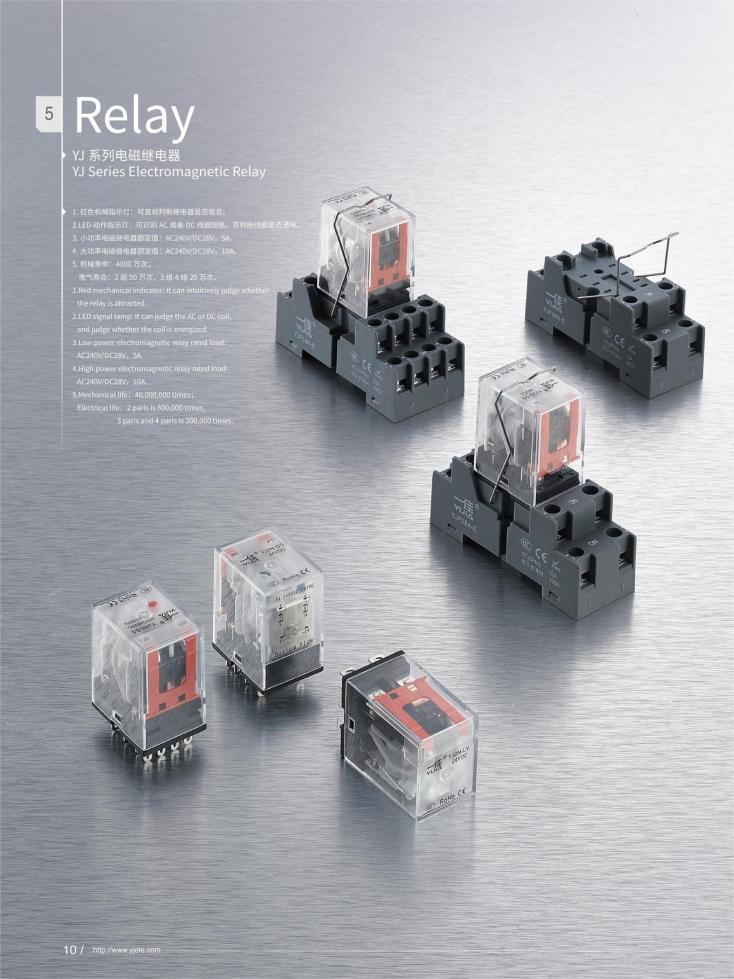
An AC contactor relay switch is an electromagnetically operated switching device designed to control the flow of current in an AC circuit. In plain terms — it’s what turns your motors, compressors, and lighting systems on and off safely and automatically.
Unlike basic manual switches, AC contactor relays handle high voltage and high current circuits remotely, using a small control signal to operate much larger loads. This makes them essential in environments where automation and safety are top priorities.
| Parameter | Description |
|---|---|
| Function | Remote control of high-current AC circuits |
| Typical Voltage | 24V, 110V, 220V, 380V AC |
| Typical Current | From 9A to 800A |
| Key Components | Coil, contacts, arc chamber, enclosure |
| Applications | HVAC, industrial motors, pumps, compressors, lighting, and control panels |

Key Features and Working Principle
When power flows through the contactor coil, it creates a magnetic field. That magnetic field pulls down the contact set, closing the circuit. Once the coil de-energizes, springs push the contacts open again, interrupting the current.
In short:
- Energized Coil → Circuit Closed → Device Powered
- De-energized Coil → Circuit Open → Device Off
To engineers, the beauty lies in reliability and repeatability. The contactor can make and break thousands of cycles without degradation when correctly rated.
Industrial-grade AC contactor relay switches also feature arc suppression systems, ensuring that high-voltage discharges don’t damage components or pose fire risks.
Why Engineers and Procurement Teams Rely on Contactors
In industrial automation and power distribution, equipment like motor starter contactors and 3-phase relay switches provide consistent performance that keeps plant operations running smoothly. Here’s why procurement and design teams choose them:
- Safety: Prevents direct electrical contact.
- Durability: Built for frequent operation cycles.
- Remote automation: Can be integrated into PLC or IoT systems.
- Versatility: Suitable for single-phase or three-phase circuits.
- Ease of replacement: Standardized mounting and connection formats.
For example, HVAC systems use AC compressor contactor relays to start heavy-duty cooling motors. Similarly, factory conveyors depend on industrial contactor relay switches for synchronized operation.
If you’re a buyer evaluating suppliers, look for certified components (CE, UL, or IEC compliance) and OEM customization options. Many manufacturers provide tailor-made versions matching voltage, load, and environmental conditions.
AC Contactor vs. Relay: What’s the Difference?
While both seem similar, their use cases differ significantly:
| Feature | AC Contactor | Relay |
|---|---|---|
| Current Capacity | High (above 10A) | Low to moderate (below 10A) |
| Application | Motors, compressors, big loads | Control signals, smaller devices |
| Voltage | 24V to 1000V AC | 5V to 240V DC/AC |
| Contact Type | Normally open | Normally open/closed |
| Lifespan | Longer for industrial cycles | Shorter under loads |
| Typical Users | Engineers, electricians, plant operators | Control circuit designers |
In practical design, you may find both operating together — the relay controlling the signal and the contactor switching the power load. They form the backbone of electrical control systems across factories, packaging lines, and renewable energy farms.
Common Industrial Applications
Engineers and buyers often specify AC contactor relay switches for:
- HVAC systems: Starting fans and compressors.
- Water pumps: Automated motor control in irrigation or building systems.
- Lighting systems: Managing large-scale commercial lighting.
- Manufacturing lines: Powering conveyors and robot arms.
- Power distribution: Acting as switching interfaces in smart grids.
| Industry | Common Application | Suggested Type |
|---|---|---|
| HVAC | Compressor and fan control | 2- or 3-pole contactor |
| Manufacturing | Conveyor motor starters | 3-phase contactor |
| Water treatment | Pump and valve automation | Heavy-duty contactor |
| Renewable energy | Solar inverter switching | Low-voltage contactor |
| Building automation | Lighting and air system control | Modular contactor |
Choosing the Right AC Contactor Relay Switch
When sourcing or specifying, a few parameters determine performance and longevity:
- Coil Voltage: Match it with your control circuit (usually 24VDC or 220VAC).
- Current Rating: Ensure it exceeds the motor’s full load current.
- Number of Poles: Use 2-pole for single-phase, 3- or 4-pole for three-phase.
- Mounting Type: Choose DIN-rail, surface, or panel mount for easy installation.
- Auxiliary Contacts: Optional for feedback signals in automation systems.
- Operating Temperature: Crucial for harsh industrial environments.
If you’re a B2B buyer or OEM engineer, consider suppliers that offer bulk order pricing, custom labeling, and easy global logistics. Send an inquiry today to get a quotation tailored to your production needs.
Maintenance Tips for Extended Service Life
Keeping your AC contactor relay switch in top condition can save you substantial downtime costs:
- Periodically clean dust or oil buildup.
- Tighten terminal screws to avoid arcing.
- Replace worn or pitted contacts early.
- Ensure proper cooling in control panels.
- Test coil voltage regularly.
These simple practices help maintain consistent switching performance and extend operational life well beyond standard cycles.
The AC contactor relay switch might seem like a simple component, but it powers the backbone of industrial automation. From managing large power supplies to enabling smart control systems, this small device ensures that modern factories, buildings, and equipment stay safe, efficient, and connected.
If you are an engineer, distributor, or procurement specialist, take the time to specify the right model and supplier. A properly chosen and maintained contactor means fewer shutdowns, better performance, and consistent reliability.
FAQ
AC contactors are optimized for alternating current, with arc chambers designed to handle AC’s zero-crossing points. DC contactors handle direct current, requiring larger contacts and stronger arc suppression.
Yes. You can combine two contactors with a mechanical interlock for forward/reverse motor control — a common setup in conveyor systems or hoists.
If you notice humming noises, overheating, or inconsistent switching, it’s a sign of contact wear or coil degradation.
Only if specifically rated as three-phase AC contactor relay switches. Check the current and voltage ratings carefully.
Many OEM manufacturers and authorized distributors offer wholesale and customized models. Contact our sales team to discuss your specifications and request a competitive quotation.