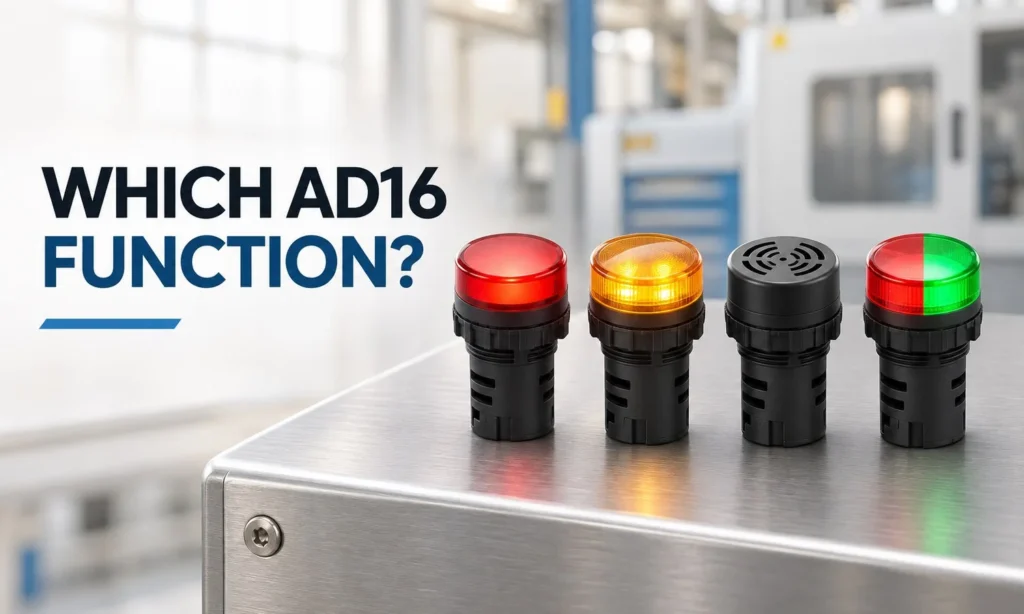
Select the AD16 function from the message that the equipment must communicate. A steady lamp, flashing lamp, buzzer, combined sound-and-light device and dual-color indicator do not provide the same operator information. The most noticeable option is not automatically the correct one. YIJIA’s AD16 product page includes function codes for standard indicators, short indicators, buzzers, flashing […]
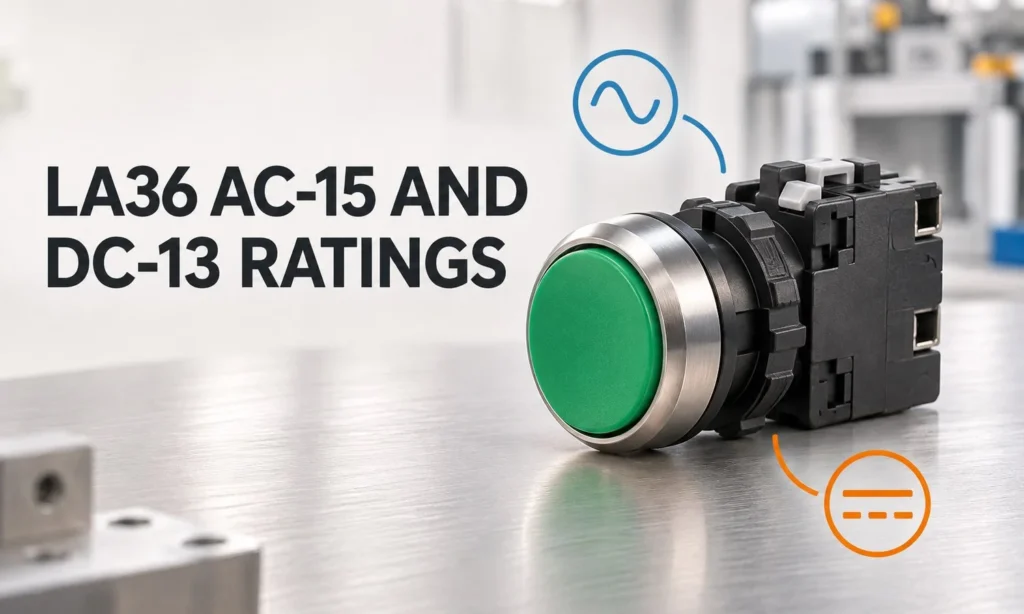
A single current number does not describe every switching condition. When a buyer selects an LA36 push button, the contact duty must be matched to the circuit voltage, AC or DC operation and the type of load being switched. YIJIA’s LA36A product page demonstrates this clearly. Its switch-rating table separates AC-15 and DC-13 duties and […]
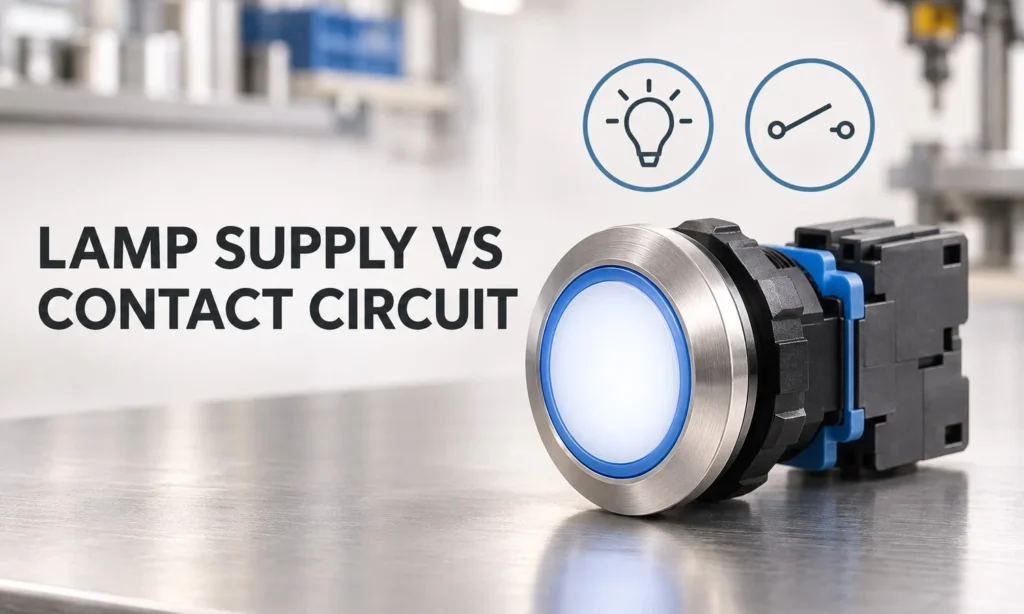
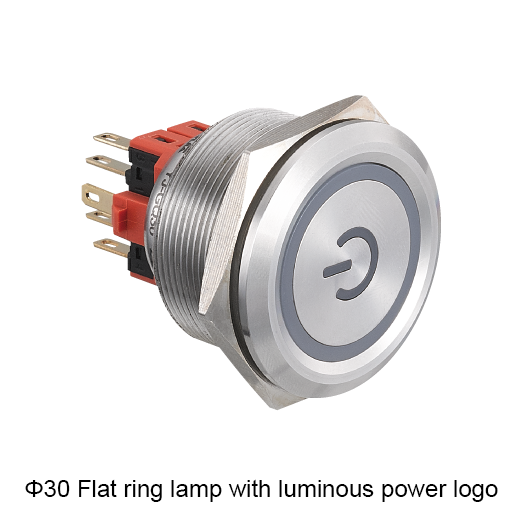
An illuminated push button contains two functions at one panel position: an operator changes electrical contacts, while a lamp provides visual information. These functions may be physically integrated, but they should not be treated as one electrical specification. YIJIA’s LA36A product page lists lamp voltage options separately from the switch rating table. This separation is […]
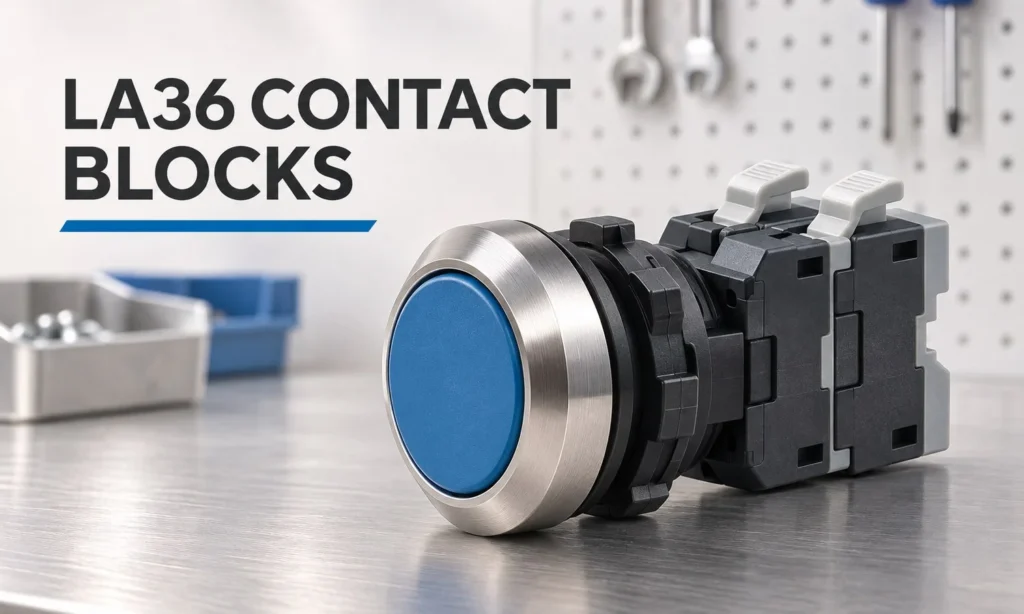
An LA36 push button should not be specified by its front appearance alone. The operator may look like one simple button, but the switching work takes place behind the panel. A single machine command may require one normally open contact, one normally closed contact, or several independent contacts connected to different parts of the control […]
When an LED panel indicator glows after an off command, first distinguish full illumination from a faint glow and identify what the light is supposed to mean. A stopped machine does not necessarily have a disconnected lamp supply. Leakage current is one possible cause of unwanted glow, but the actual output and indicator must be […]
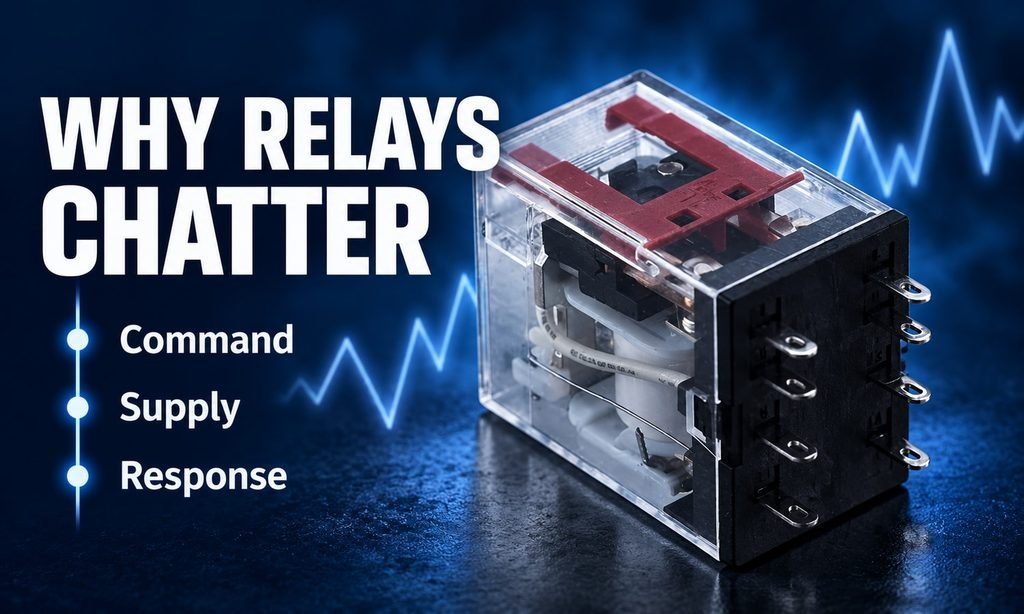
A chattering control relay needs a review of three things at the same event: the command, the coil supply and the relay response. The relay may be following an unstable command, receiving unsuitable supply conditions or have a component or installation problem. Sound alone cannot distinguish them. Start with the complete relay and socket codes, […]
We use cookies to enhance your browsing experience, serve personalised ads or content, and analyse our traffic. By clicking "Accept All", you consent to our use of cookies.